
Rodents, particularly squirrels, rats, mice, chipmunks, and groundhogs, are notorious for chewing on BMW car wires, and their attraction isn’t just accidental. Rodents chew BMW wires for a multitude reasons. The key is to make it a one-time-thing. The soft, soy-based insulation around the wires has a surprisingly sweet taste that appeals to these creatures, making it a tempting snack. But it’s not just about the flavor. Rodents have an instinctual need to gnaw to keep their teeth in check, and the wiring offers a perfect material for this. As they explore the warmth and shelter under your car’s hood, they not only satisfy their chewing cravings but may also cause significant electrical damage, leading to costly repairs. Understanding why these rodents target car wiring can help you take preventative steps before they become repeat offenders.

Different Types of Rodents That Chew BMW Wires
Squirrels, rats, mice, chipmunks, and groundhogs are common culprits of chewing through BMW car wires due to their instinctive need to gnaw on objects to manage their ever-growing teeth. BMW’s soft, environmentally friendly wire insulation attracts these rodents, who are drawn to the warmth and secluded spaces under the hood. This destructive behavior leads to costly electrical damage, as the wires are easily punctured, causing malfunctions, short circuits, and potential fire hazards, leaving car owners with expensive repairs.
Squirrels Chewing BMW Wires – The Main Culprit
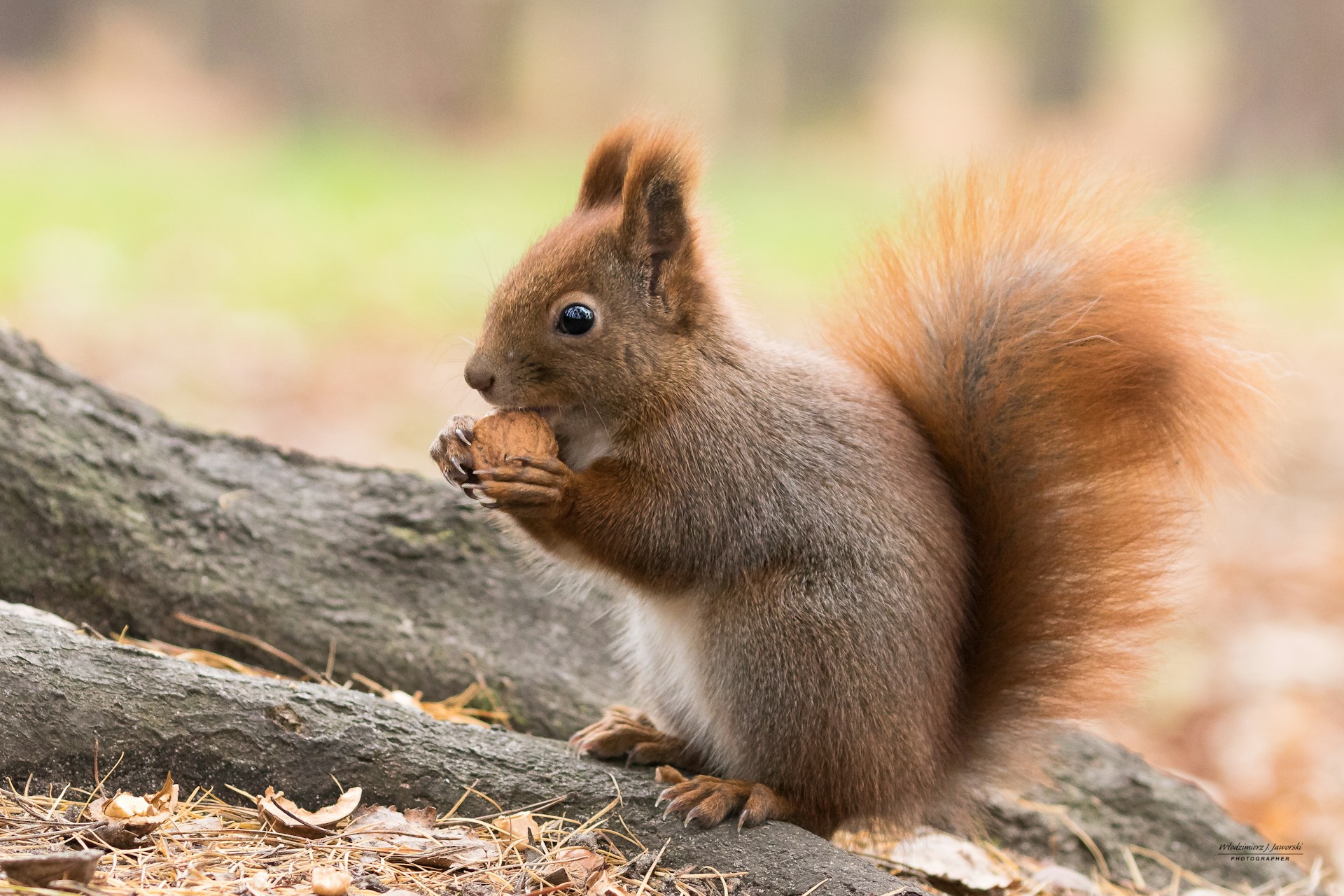
Squirrels are often the main culprit when it comes to chewing on BMW wires, and it’s no accident. Their constant need to gnaw on objects is driven by the growth of their teeth, which requires them to chew regularly to keep them from growing too long. Unfortunately, this behavior often leads them to car engines, where the warm environment and accessible wires provide an irresistible temptation. BMW wires, with their soft insulation, can be especially appealing, leading to costly electrical damage. This destructive habit is a frustrating issue for car owners, as rodents chew BMW wires can cause significant harm without warning, leaving owners to deal with expensive repairs.
Specifically Why Squirrels Can’t Stop Chewing
For squirrels, BMW wires are like a sweet, irresistible treat—almost like caramel. Their instinctual need to gnaw on objects to manage their ever-growing teeth draws them to the warm, accessible wires under your car’s hood. The soft insulation of BMW wiring acts like a sugary snack to them, providing an almost delicious texture that’s hard to resist. This tempting “candy” of sorts can lead to costly damage, as squirrels happily chew through the wires, unaware of the chaos they’re causing. To a squirrel, the wiring is the perfect snack, leaving car owners to deal with expensive repairs in the aftermath.
Rats and BMW Car Wire Damage
BMW Electrical Wire Damage from Mice
Mice can wreak havoc on BMWs by chewing through electrical wires, a behavior driven by their constant need to gnaw on objects to keep their teeth in check. The soft, pliable insulation around the wires in BMWs is particularly tempting to these tiny invaders. Their sharp teeth easily puncture the wire coverings, leading to potential short circuits, electrical malfunctions, and even fire hazards. The wires under the hood, tucked away in dark, quiet spaces, provide the perfect environment for mice to chew without interruption. This seemingly harmless behavior can result in costly repairs, as the damage to the electrical system can be both widespread and difficult to trace.
Chipmunks and BMW Wiring
Groundhogs Chew Wires Too
 Why Do Rodents Chew Car Wires
Rodents, particularly squirrels, rats, mice, chipmunks, and groundhogs, are notorious for chewing on BMW car wires, and their attraction isn’t just accidental. The soft, soy-based insulation around the wires has a surprisingly sweet taste that appeals to these creatures, making it a tempting snack. But it’s not just about the flavor. Rodents have an instinctual need to gnaw to keep their teeth in check, and the wiring offers a perfect material for this. As they explore the warmth and shelter under your car’s hood, they not only satisfy their chewing cravings but may also cause significant electrical damage, leading to costly repairs. Understanding why these rodents target car wiring can help you take preventative steps before they become repeat offenders.
Car Insurance and Rodents Chewing Wires
Costs for Rodent Damage to BMW Car Wiring
Repairing rodent damage to BMW electrical wiring can be a costly endeavor, with repair costs ranging from $500 to over $3,000 depending on the severity of the damage. If rodents chew through wiring, it can lead to a variety of electrical issues, from malfunctioning components to complete system failures. In more severe cases, wiring replacement may be required. Which could involve intricate labor and high parts costs.
For example, replacing a few damaged wires might cost around $500, but if extensive rewiring is necessary, the bill could climb to $2,000 or more. Diagnostic fees, which can run between $100 and $200, are often added to identify the full extent of the damage. These costs highlight the importance of preventative measures to safeguard your BMW from rodent damage.
How to Deter Rodents From Chewing BMW Car Wires
Here are some tailored ways to deter rodents from chewing BMW car wires safely:
-
Use Rodent-Repellent Wire Sleeving – Apply specialized, chew-resistant wire sleeving made for automotive use. These materials are designed to protect your BMW’s wiring without compromising functionality.
-
Install Engine Bay Rodent Screens – Fit mesh or wire screens around the engine bay to block access points where rodents could enter. Ensure these screens are specifically made for vehicle use to avoid any engine damage.
-
Opt for Non-Toxic Rodent Repellent Sprays – Use eco-friendly, non-toxic sprays made for engine compartments. These sprays typically use scents that deter rodents without harming the car or its components.
-
Keep the Parking Area Clear – Park your BMW in clean, well-lit areas away from food sources and overgrown vegetation where rodents tend to hide or nest.
-
Check for Gaps and Seal Properly – Inspect your BMW for any gaps or entry points around the engine compartment. Seal them with automotive-grade silicone or rubber seals, ensuring that no chemicals or materials interfere with the car’s operation.
Schedule an Inspection for BMW wire damage from Animals
If rodents have damaged your BMW’s wiring, don’t wait for the situation to escalate. The destruction caused by squirrels, rats, mice, chipmunks, and groundhogs can lead to costly electrical issues and expensive repairs. If you need BMW repair, Contact LPS Motorwerks today to schedule an inspection and protect your vehicle from further rodent damage.