
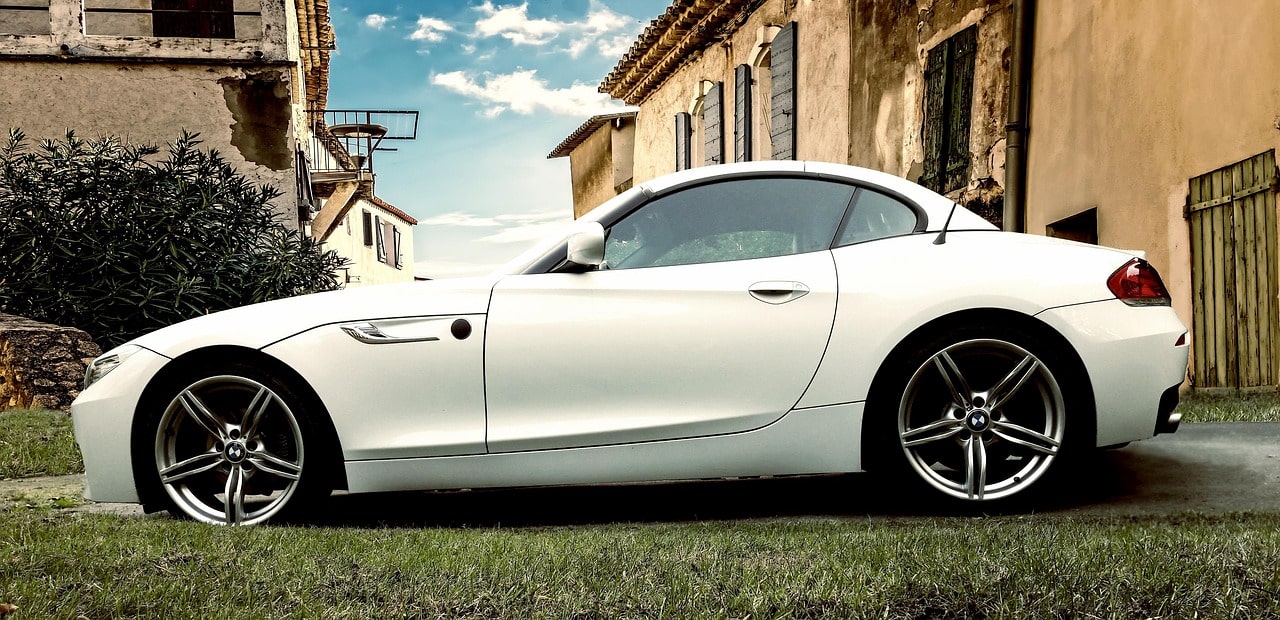
BMW coupes are renowned for their sleek design, powerful engines, and thrilling performance, offering a driving experience like no other. Our Lake St. Louis BMW Coupe repair is here to help keep these import models running! However, like all high-performance vehicles, certain models tend to experience more frequent repairs due to their complex engines and performance-driven components. If you’re a BMW coupe owner in Lake St. Louis, it’s important to understand the common issues that affect popular models such as the 335i, M3, 428i/430i, and M4. From turbocharger problems to cooling system failures, these issues can impact your vehicle’s performance and longevity. In this blog, we’ll dive into the specific repairs you should be aware of and how staying ahead with regular maintenance can keep your BMW running smoothly for years to come.
BMW Coupes That Require the Most Repairs in Lake St. Louis
BMW coupes offer a thrilling driving experience, but some models require frequent repairs due to engine design, performance components, and wear from aggressive driving. Below are some of the most commonly serviced BMW coupes in the U.S. and their most frequent issues. Learn more from our BMW repair service near St. Louis now.
1. BMW 335i (E92) – Turbo & Fuel System Failures
The E92 335i, featuring the N54 twin-turbo and later N55 single-turbo engines, is known for fuel pump failures, turbocharger wastegate rattles, and carbon buildup on the intake valves. Additionally, issues with the VANOS system and coolant leaks often lead to costly repairs if not caught early.
Turbo Engine Repairs on BMW 335i (E92)
The BMW 335i (E92), featuring either the N54 twin-turbo or the N55 single-turbo engine, is known for its powerful performance but comes with certain common issues that owners often face. One of the most frequent problems in this model is fuel pump failure, which can lead to inconsistent fuel delivery and cause misfires or rough acceleration. If the fuel pump isn’t replaced in a timely manner, it can result in significant engine damage, so it’s crucial to address it early.
E92 3358 Turbocharger Wastegate Rattle
Another issue with the E92 335i is the turbocharger wastegate rattle, a problem that arises as the internal components wear over time. This can cause a noticeable loss of power, reduced fuel efficiency, and undesirable noises from the engine. Repairing or replacing the damaged turbo components can be costly, but it’s vital to fix the issue before it leads to further complications within the turbo system. Our master certified mechanic is here to help for any Lake St. Louis BMW Coupe Repair.
E92 335i Carbon Buildup
Carbon buildup on the intake valves is also a well-known issue for the N54 and N55 engines in the 335i. As a result of direct injection, carbon gradually accumulates on the intake valves, leading to performance problems such as rough idling, engine misfires, and sluggish throttle response. Cleaning the valves regularly through processes like walnut blasting is an effective way to maintain engine efficiency and prevent long-term damage.
VANOS Timing Regulation Issues
The VANOS system, which regulates valve timing, can also experience issues in the E92 335i. If the VANOS solenoids or internal components fail, the engine may experience hesitation, poor acceleration, or reduced fuel economy. Additionally, coolant leaks around the engine and turbo system are common, and if not addressed, they can cause the engine to overheat and lead to costly repairs. Regular BMW maintenance and prompt attention to these issues can help keep the car running smoothly.
2. BMW M3 (E46 & E92) – Engine Bearing & Electronic Failures
The E46 M3, powered by the S54 inline-six, is prone to rod bearing wear and VANOS unit breakdowns, which can cause significant engine damage. The E92 M3’s S65 V8, while high-revving and powerful, is notorious for rod bearing failures and throttle actuator issues, both of which demand regular maintenance.
Rod Bearing Failures in E46 and E92
Rod bearing failures are a common issue in the BMW M3, especially in the E46 and E92 models, both of which are powered by high-performance engines that demand precise internal components. Over time, the rod bearings in these engines can wear out due to heat buildup and stress from aggressive driving or high-revving. When the bearings fail, it can lead to a knocking noise, poor engine performance, and eventually catastrophic engine damage if left unaddressed. Preventive measures such as regular oil changes with high-quality synthetic oil and periodic inspections can help minimize the risk of rod bearing failure and extend the life of these performance engines.
Throttle Actuator Issues in M3
The throttle actuators in the BMW M3, particularly in the E46 and E92 models, are known to experience malfunctions due to wear or electrical failure. These actuators control the throttle valves, which regulate the amount of air entering the engine. When they fail, it can cause a variety of issues such as poor throttle response, erratic engine behavior, and a noticeable loss of power. The issue can be particularly frustrating for drivers who rely on smooth acceleration and precise power delivery. Replacing the faulty throttle actuators and ensuring proper electrical connections can restore the M3’s performance and reliability.
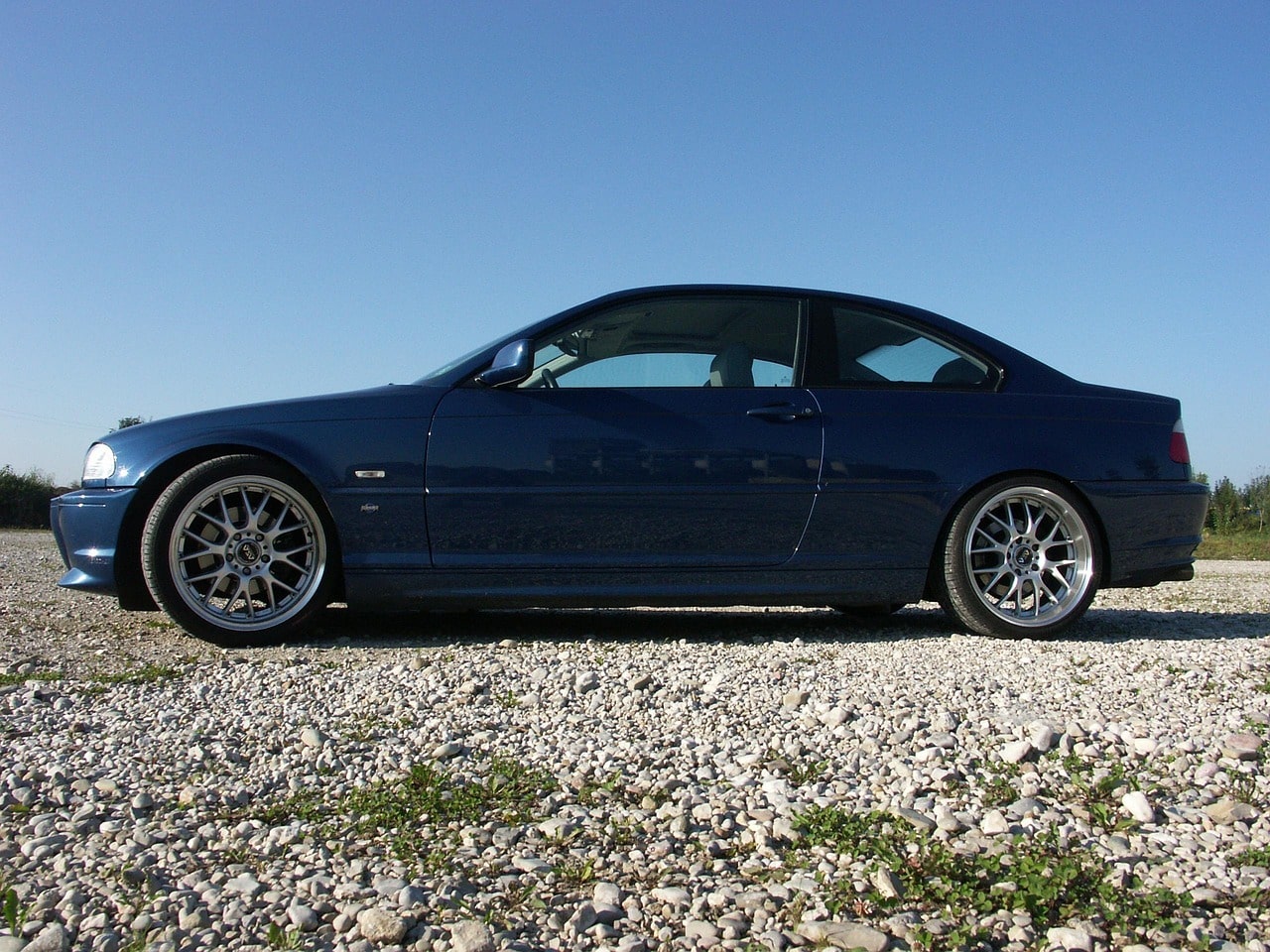
3. BMW 428i / 430i (F32) – Timing Chain & Cooling System Problems
Turbocharged four-cylinder models like the F32 428i and 430i, using the N20 and B48 engines, frequently experience timing chain tensioner failures, oil filter housing gasket leaks, and coolant system malfunctions. A neglected timing chain can result in catastrophic engine failure.
Timing Chain Tensioner Failures
In the BMW 428i and 430i models, particularly those with the N20 and B48 engines, timing chain tensioner issues can cause significant performance setbacks. The timing chain, which coordinates the engine’s valve timing, relies on the tensioner to maintain proper tension. If the tensioner wears out or malfunctions, it can lead to a rattling sound from the engine, erratic acceleration, or even skipped timing, which can result in major engine damage. It’s crucial to address tensioner wear promptly to avoid potential catastrophic engine failure and costly repairs, ensuring the smooth running of your BMW’s engine.
Oil Filter Housing Gasket Leaks
Oil filter housing gasket leaks are a frequent issue in the BMW 428i and 430i, primarily caused by gasket degradation over time. This part is critical for connecting the oil filter to the engine block, and when it wears down, oil leaks can occur around the housing. These leaks not only lead to low oil levels but can also cause engine components to overheat, reducing the engine’s longevity. For owners of the 428i and 430i, replacing the oil filter housing gasket as soon as a leak is detected is essential to maintain proper engine lubrication and prevent severe damage.
Coolant System Malfunctions
In the BMW 428i and 430i, problems with the cooling system can cause serious damage to the engine if ignored. The N20 and B48 engines are particularly prone to water pump failure, thermostat malfunctions, and radiator leaks. When the cooling system components fail, it can result in the engine overheating, potentially leading to warped cylinder heads or damaged pistons. To prevent these issues, BMW owners should monitor for symptoms like fluctuating temperatures or coolant puddles beneath the car. Regular checks and replacing parts such as the thermostat or water pump before they fail can save costly repairs and ensure the engine remains at an optimal temperature.
4. BMW M4 (F82) – Turbo Cooling & Drivetrain Wear
The F82 M4, equipped with the S55 twin-turbocharged inline-six, often suffers from crank hub failures, charge pipe cracks, and overheating turbos. Additionally, the dual-clutch transmission (DCT) in some models develops clutch slippage and rough shifting, particularly under high-performance driving conditions.
Crank Hub Failures in BMW M4 (F82)
In the BMW M4 (F82), one of the critical performance-related issues is crank hub failure, particularly within the S55 engine. The crank hub plays an essential role in linking the crankshaft to various engine accessories like the pulley and timing gear. Due to the high power output and stress generated by the performance capabilities of the M4, the crank hub can loosen or wear down over time. When this happens, it can disrupt the engine’s timing, leading to major mechanical failure. Installing a stronger aftermarket crank hub or performing regular inspections can prevent significant engine damage and maintain the car’s high performance.
Charge Pipe Cracks in BMW F82
Charge pipe cracks are a common issue for the BMW M4 (F82), particularly in cars running higher boost levels or tuned for more performance. The charge pipe is responsible for transporting compressed air from the turbocharger to the intake manifold. However, the stock plastic pipes are susceptible to cracking, especially under the strain of increased air pressure. These cracks can lead to significant performance loss, air leaks, and rough engine running. Many M4 owners opt to replace the plastic charge pipes with stronger aluminum versions to ensure durability, particularly for those who regularly push their cars to the limit.
BMW M4 Overheating Turbos
Turbo overheating is a frequent issue in the BMW M4 (F82), often caused by high-performance driving or extended periods of boosting. The turbos in the S55 engine can become overheated, which leads to damage to the seals and a decrease in overall turbo performance. If not addressed, this can result in oil coking, where oil residue accumulates and impedes turbo function. To prevent overheating, M4 owners can upgrade their cooling systems or make sure to allow proper cool-down time after aggressive driving sessions, preserving the life of the turbos and keeping the car performing at its best. Learn more about our BMW tuning service now.
5. BMW 650i (F13) – Oil Consumption & Turbo Cooling Issues
The F13 650i, powered by the 4.4L twin-turbo N63 engine, is notorious for excessive oil consumption, valve stem seal failures, and coolant leaks around the turbochargers. These problems can lead to misfires, smoking exhaust, and loss of power, making proactive maintenance essential.
BMW 650i (F13) Excessive Oil Consumption
Excessive oil consumption is a recurring issue for the BMW 650i (F13), particularly in models with the N63 engine. In these engines, oil can pass through the piston rings or burn off within the combustion chamber, leading to rapid oil level depletion. While all engines may experience some oil consumption, the N63 engine is more prone to higher than expected oil loss. If this issue goes unnoticed, it can lead to engine damage due to insufficient lubrication. To avoid further complications, it’s important to regularly check the oil level and address any noticeable oil consumption early by scheduling maintenance and inspections to ensure the engine stays properly lubricated.
Valve Stem Seal Failures in BMW 650i
The BMW 650i (F13), particularly those equipped with the N63 engine, often suffers from valve stem seal deterioration as the engine ages. These seals are responsible for preventing oil from leaking into the combustion chamber, but they can wear down due to the engine’s heat and pressure. When the valve stem seals fail, oil leaks into the combustion chamber, leading to blue smoke from the exhaust and inconsistent engine performance. If ignored, this issue can worsen, affecting fuel efficiency and potentially causing extensive engine damage. Replacing the valve stem seals at the first sign of trouble can prevent these issues and keep the engine in peak condition.
BMW 650i Coolant Leaks Around Turbochargers
Coolant leaks around the turbochargers are a common concern in the BMW 650i (F13), often linked to the high demands placed on the turbo system. The seals and hoses surrounding the turbochargers can deteriorate due to the intense heat generated during operation, allowing coolant to escape into the turbo area. This not only compromises the cooling system’s effectiveness but can also lead to overheating, which puts the turbochargers and the engine at risk of significant damage. Early detection of coolant leaks, particularly near the turbochargers, and replacing worn-out seals or hoses can prevent overheating and costly repairs, ensuring the engine operates efficiently and reliably.
Schedule A BMW Coupe Repair Near St. Louis
If you own a BMW coupe in Lake St. Louis, understanding the common repairs across models like the 335i, M3, 428i/430i, M4, and 650i can help you stay ahead of costly issues. These vehicles are built for performance, but that power comes with maintenance needs—from turbo complications to timing chain problems and crank hub failures. Staying proactive with service and working with a qualified BMW specialist can make all the difference in how long and how well your vehicle performs. Trust our expert BMW Coupe repair team in Lake St. Louis to keep your car running like it should—fast, responsive, and built to last.