
Add Snow Tires To Make Your Volkswagen Winter Ready

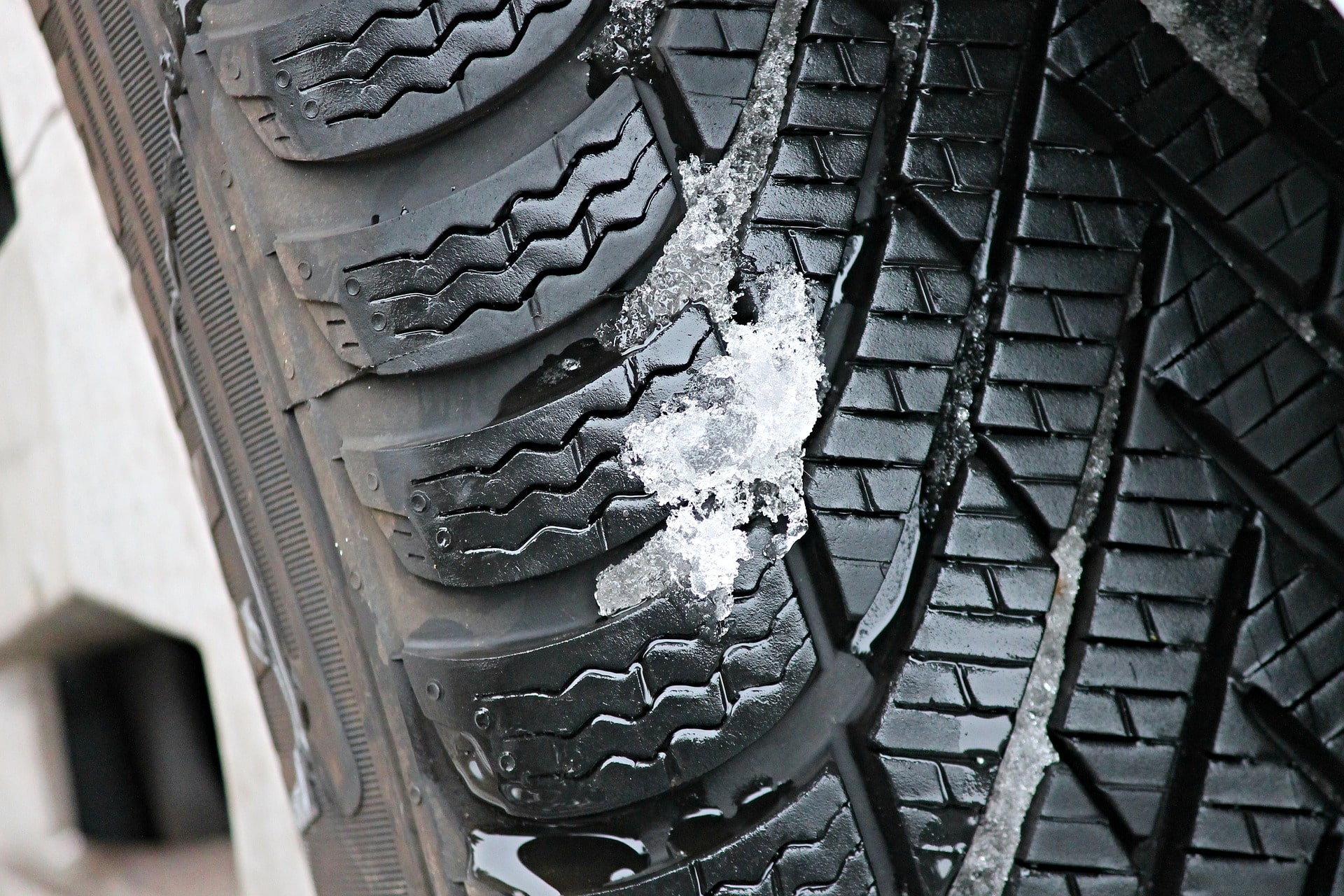
It’s essential to have the right type of tires on your Volkswagen in the winter. Having snow tires for VW cars is an easy addition to safety. Having the wrong type of tires can be very dangerous and put you and others at risk. The correct tires will provide better traction, grip, and stability in icy and snowy conditions. Winter tires are specifically designed for cold weather and have different treads and compounds than regular tires.
Their unique tread design helps with snow and ice traction, while their special compound helps them to remain flexible and maintain good grip in colder temperatures. Additionally, they help prevent hydroplaning on wet roads. Having the right tires can help you avoid a potential accident and keep you safe on the road. Learn more about VW repair and winter preparation now.
Preparing Your Volkswagen For Winter
Preparing your Volkswagen for winter driving is essential to ensure safe and reliable driving during the cold months. First, make sure to check all your fluids including engine oil, coolant, transmission fluid, and power steering fluid and top them off if necessary. It is also important to have your battery checked and replaced if needed, as cold weather can cause a decrease in battery power.
Additionally, be sure to check your tires’ air pressure and tread, and replace old tires if necessary. Finally, have your brakes inspected and make sure they are functioning correctly; this will help you stop quickly and safely during icy, slippery winter roads. By taking these precautions and following manufacturer’s maintenance guidelines, you can ensure that your Volkswagen will be ready to drive this winter.
VW Fluid Check For Winter
A VW fluid check at the European car mechanic is an important part of routine maintenance. During the check, the mechanic will inspect all of the fluids that keep your car running smoothly, such as engine oil, transmission fluid, brake fluid, power steering fluid, and coolant. They will also check the levels and condition of these fluids to ensure that they are clean, full, and working properly.
The import auto mechanic may also inspect the hoses and filters associated with these fluids and replace any that are worn or damaged. This foreign car repair service helps to maintain your car’s performance and prevent bigger, more costly problems down the line. Overall, a car fluid check is a quick and simple way to extend the life of your vehicle and keep it running safely and efficiently.
Battery Check
Checking your car battery before winter is essential for cold weather driving. Start by visually inspecting the battery terminals and cables for signs of corrosion or damage. If there is corrosion, use a solution of baking soda and water to clean it off. Next, check the battery fluid level to make sure it is full. If it is low, you will need to refill it with distilled water. After that, use a voltmeter to measure the voltage of the battery. A healthy battery should have a voltage of 12.4-12.7 volts. If the reading is lower than this, then the battery may need to be replaced. Finally, measure the battery’s cold cranking amps (CCA) rating to make sure it is adequate for the driving ahead. If you have questions or concerns, schedule a VW winter check up today.
VW Snow Tires
Volkswagen offers a variety of different snow tires for its vehicles. All-season tires are the most common, designed for light snow and rain. They provide superior traction when driving in wet or icy conditions, making them the ideal choice for year-round driving. Winter tires, also known as snow tires, are designed specifically for winter weather conditions. They offer superior grip and traction in snow and icy conditions, making them the best choice for those who drive in cold climates.
Lastly, studded tires are designed for extreme winter conditions, such as heavy snow and thick ice. They provide maximum grip in extreme winter conditions, but they are not recommended for everyday use due to their aggressive tread pattern. No matter what type of winter driving conditions you face, Volkswagen has you covered.
Snow Tires vs Regular Tires
Snow tires are designed to provide improved traction in winter conditions, such as snowy and icy roads. They are made with a softer rubber compound than regular car tires that helps them grip better in colder temperatures. The treads on snow tires also have wider grooves to increase traction, allowing the tires to better dig into snow and ice.
Additionally, snow tires often have more sipes, small slits in the tread that help the tire grip the road better. These features allow snow tires to provide better performance on snow and ice than regular car tires, which can slip and slide on slick surfaces. However, snow tires are not as effective on dry pavement, so they should be replaced with regular car tires when the weather warms up.
Types of Volkswagens with Snow Tire Capabilities
When it comes to VW cars that can be outfitted with snow tires, there are a variety of models that can make use of them. The most popular models that can have snow tires added are the VW Golf, Jetta, Beetle, Passat, Tiguan, and Touareg. All of these vehicles can be fitted with winter tires that are designed for better traction on snowy and icy roads. It is important to note that when choosing snow tires for a VW vehicle, one should select tires that are specifically designed for the car’s size, weight, and performance. Additionally, the snow tires should be rated for the type of winter weather that the vehicle will be driving in. With the right snow tires, VW drivers can rest assured they are fully covered when it comes to driving in the snow. If you need a tire replacement service, contact us today.
Winter Can Be Hard For VW Diesel Engines
Welcome back to our blog! Here at LPS Motorwerks we want all of our customers to be prepared for the coming winter. As we all know, it gets pretty cold in St. Charles this time of year. The cold persists for quite a while. In the past, we have given multiple tips on how to prepare your import for winter. Today we’re going to focus specifically on Volkswagen diesels. VW diesel engines require a little extra attention in the winter, and we wanted to share a few tips with you to make sure that your VW is able to handle the cold without experiencing any issues.
VW Diesel Engine Repair
Volkswagen diesel engines are known to be reliable and efficient, but they can be difficult to repair. This is because they are complex machines with many intricate parts that require precise maintenance and repair. A qualified mechanic with experience working on diesel engines should be able to diagnose and repair most issues. However, because of the engine’s complexity, engine repairs can often take longer and cost more than with other engines.
Furthermore, specialized tools and knowledge are often needed for more complicated repairs. While Volkswagen diesel engines may be difficult to repair, the benefits of owning one often outweigh the challenges. They are known for their longevity, fuel efficiency, and powerful performance, making them a great choice for many drivers.
Get Your Import Serviced
The easiest way to ensure that your Volkswagen diesel is ready for the winter is to take it in for routine servicing. Make sure that special attention is given to the engine and drivetrain, and have any fluids that are low either topped off or replaced entirely. Diesel engines have traditionally reacted negatively to cold weather. They can require a little more effort to get started when it is cold outside, but by ensuring that the car has been serviced before the onset of winter, you can help to prevent any unforeseen issues from cropping up.
Additionally, it is a good idea to replace the oil in your VW diesel to a grade that is able to stand up to the lowest expected temperature in your area. Oil is important to an engine, and that is especially true for diesel engines. Finally, make sure that the glow plug in your engine is still properly functioning. The glow plug is vital to start your diesel engine when it is cold.
Be Gentle With Your Volkswagen
One tip that we don’t hear many other people suggesting is to simply adjust your driving habits during winter. Those cold winter nights try their best to freeze every liquid in your car. Luckily, you have taken the necessary steps to prevent this and your import vehicle is protected. However, as temperatures decrease the liquids in your vehicle increase in viscosity. For most fluids, this isn’t really an issue, but as oil gets thicker, it can cause issues for your engine.
To help negate this, let your Volkswagen warm up for at least ten minutes in the morning. Letting your diesel engine warm up before you drive will heat the oil, leading to smoother movement of your engine’s parts. Additionally, being aware of how you drive in the winter months can also have positive benefits for your engine. Driving slower and accelerating at a slower rate will help your engine adapt to the cold environment quicker.
Schedule a VW Winter Tire Appointment
By following these very simple tips, we believe that your Volkswagen will make it through the winter. Hopefully without any significant issues. While diesel engines require a little more care during winter, we get it. They’re designed to handle a wide range of conditions and temperatures. To make sure that your import vehicle is ready for winter, give us a visit at LPS Motorwerks. We offer a wide range of import service and repair options. These will ensure that your European car performs great all winter long. Call us to schedule a VW Winter Tire service appointment in St. Charles, St. Louis, O’Fallon or Wentzville now!