
BMW Rust Protection Tips For This Winter In Lake St. Louis

The Winter Months Are Hard On Your BMW
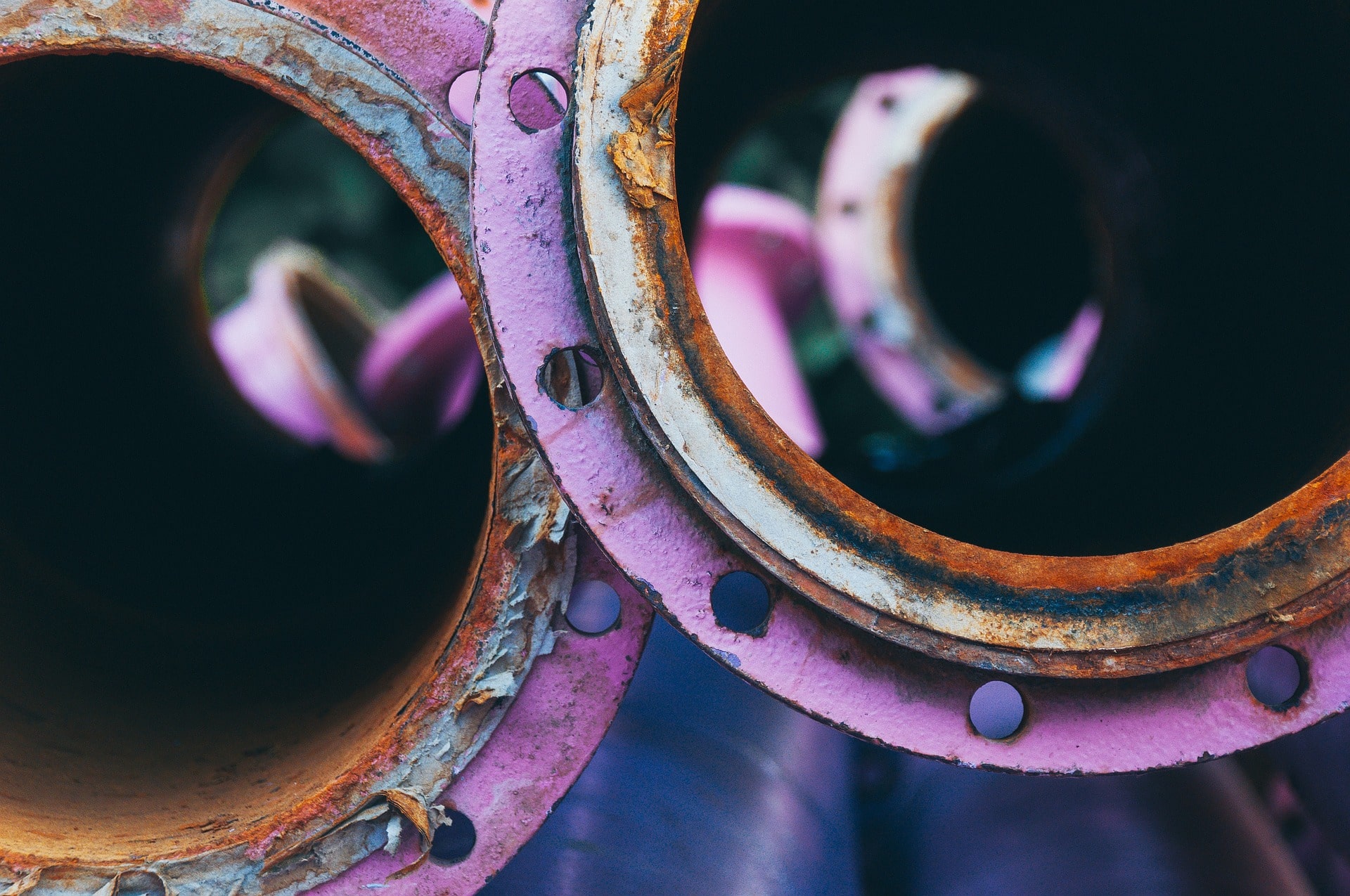
While winter no doubt has a certain beauty to it, it can wreak havoc on your vehicle. Between the freezing temperatures, excessive amount of moisture, and the salt used to de-ice roadways, the undercarriage of your car can take quite a beating. Here at LPS Motorwerks, we want all of our Lake St. Louis, St. Charles and St. Louis clients who own BMW vehicles to be able to protect their luxury imports as much as possible. Road salt can be very damaging to a vehicle and cause rust to form in areas where rust is not desirable (although is rust ever a good thing?). Learn more about how detrimental rust can be to your BMW.
Road Salt, Like Regular Salt, is Corrosive
If you have ever visited a beach town, you are probably well aware of the corrosive properties of salt and water mixed together. Unfortunately, this corrosive combination is not limited to the coastal states. Road salt has been used for decades as an effective method of removing ice from roads, ensuring that people can drive after a snowstorm without fear of sliding. Road salt lowers the freezing temperature of the ice on the roads causing it to melt. By melting the ice, road salt allows your BMW’s tires to actually make contact with the road, greatly increasing the safety of traveling in areas that experience regular snow. While road salt has made life easier for those drivers who live in colder areas of the country, it has also come with one major drawback: rust.
Road Salt Accelerates Vehicle Rust
While it is true that road salt is not the only way for a vehicle to experience rusting issues, it can and will greatly increase the rate at which rust will form. Now, you’re probably wondering what the big deal with rust is. While rust on the body of your vehicle is no more than a cosmetic issue, rust on the underside of your vehicle is an entirely different story. If you look at the underside of your BMW, the first thing you will notice is that a lot of your vehicle’s parts are exposed. Brake lines, springs, and your vehicle’s drive shaft are all exposed. While this is normally not an issue, it can become a major area of damage when repeatedly exposed to road salt. If left to build up, road salt could cause serious damage to your BMW’s undercarriage, requiring hundred or thousands of dollars to repair.
The Humidity In Missouri = Rust
Road Debris
Poor BMW Drainage
Inadequate drainage around the vehicle, particularly in critical areas such as wheel wells and undercarriages, can trap water and significantly promote rust formation. These areas are often designed to manage water runoff, but if they become clogged with debris like dirt, leaves, or road salt, water can accumulate and linger longer than it should. When water collects and doesn’t evaporate, it creates a stagnant environment that is conducive to corrosion, especially on metal components that are more susceptible to rusting.
BMW Wheel Wells Are Vulnerable
The wheel wells, for example, are especially vulnerable because they are exposed to road spray, dirt, and moisture from rainy or snowy conditions. If water is not able to drain properly, it can pool in these areas, leading to accelerated rusting of brake lines, suspension components, and other critical parts. Similarly, the undercarriage, which is less frequently visible, can trap moisture and become a breeding ground for corrosion if not maintained.
Neglected Maintenance
Failing to maintain your car through regular washing and waxing can lead to a buildup of contaminants that significantly increase the risk of rust formation. Over time, dirt, grime, bird droppings, tree sap, and other pollutants can accumulate on the vehicle’s surface, trapping moisture against the paint. This moisture can seep into any minor scratches or chips, promoting oxidation and rust in those vulnerable areas. Additionally, pollutants can degrade the protective coatings on your vehicle, such as clear coat or wax, which are designed to shield the metal from environmental damage.
Wearing Down Protective BMW Layers
When these protective layers wear down, the underlying paint and metal are left exposed to the elements. This makes it easier for rust to take hold, especially in humid or rainy conditions. Implementing a consistent cleaning routine—ideally washing your car every two weeks—can dramatically improve your vehicle’s resilience against rust. This routine should include thorough rinsing to remove dirt and debris, followed by a gentle wash with car-specific soap. Applying a high-quality wax or sealant afterward creates an additional barrier, repelling moisture and contaminants. Regular maintenance not only enhances your car’s appearance but also extends its lifespan by preventing costly rust repairs down the line.
Condensation On Your BMW
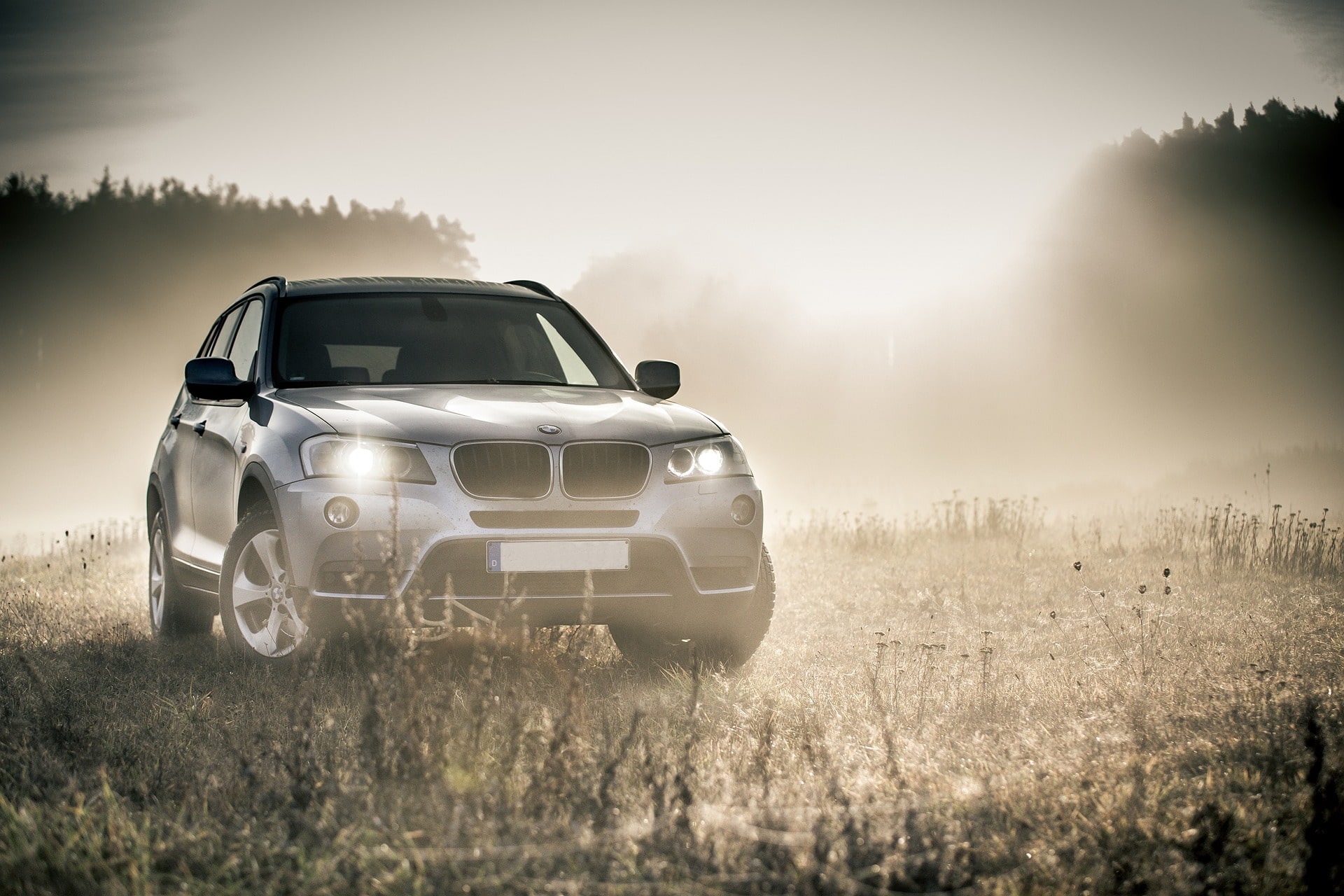
Join us again next time as we cover some effective methods to help protect the undercarriage of your BMW from rusting this winter season due to repeated exposure to moisture and road salt. If you are unsure whether road salt has already had an effect on your BMW, come visit the luxury import experts at LPS Motorwerks. We have been helping Lake St. Louis, O’Fallon, St. Peters and Chesterfield residents keep their import vehicles safe from the harmful effects of winter for years, and we will help you make sure that your BMW does not incur any unnecessary damage. Contact us today!
