
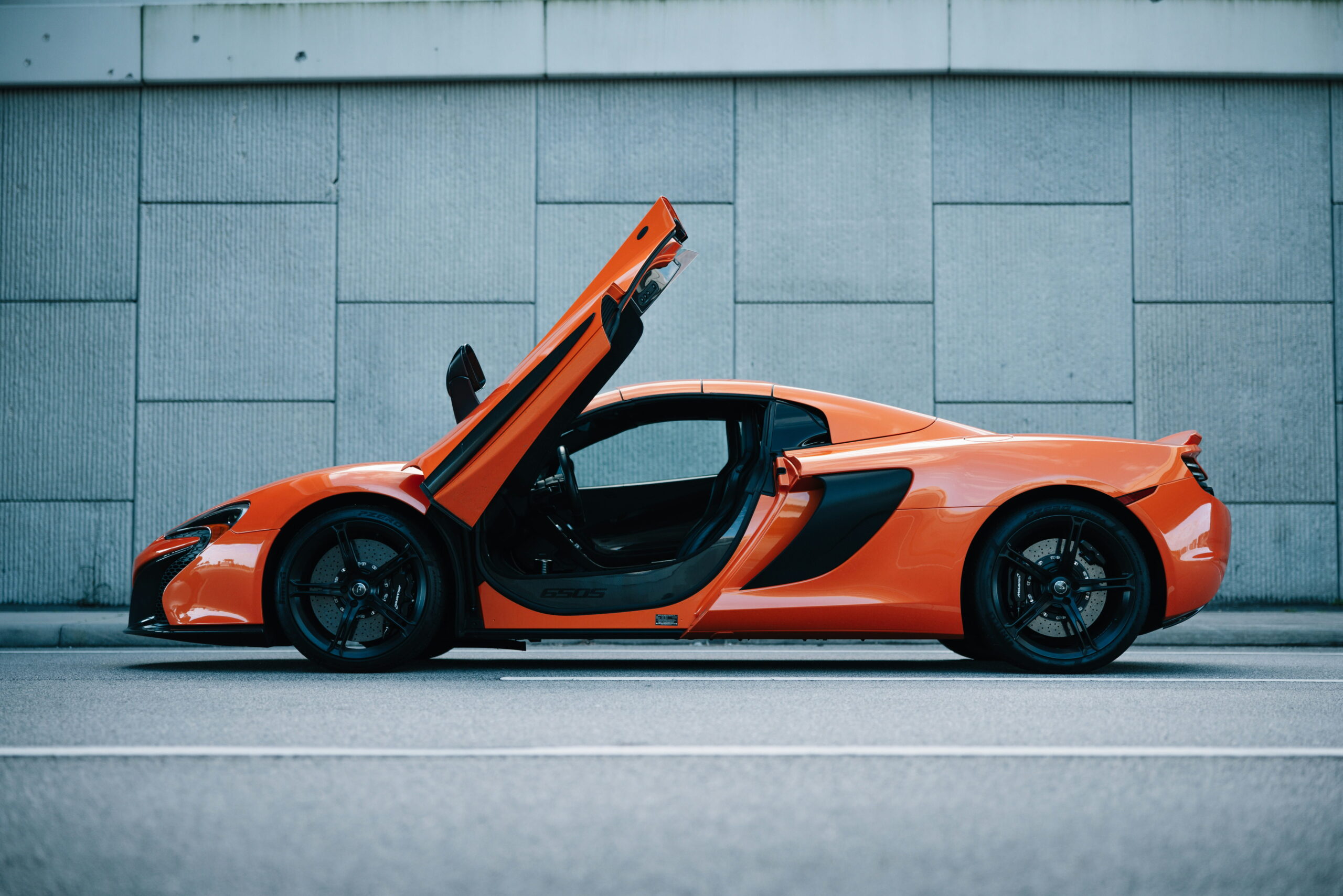

Why Cooling System Upgrades Are Critical for Foreign and Exotic Cars
Foreign and exotic vehicles are engineered for precision, speed, and efficiency, which means their cooling systems operate closer to the edge than those found in domestic cars. Platforms like BMW, Porsche, Ferrari, Audi and Mercedes are designed to deliver peak performance with minimal thermal margin, especially under aggressive driving or modified conditions. When heat is not controlled properly, these vehicles can experience power reduction, accelerated wear, or costly engine damage, making upgraded cooling systems essential for protecting performance, reliability, and long-term ownership value. Learn more about our foreign car repair service in Lake St. Louis now.
Engineering Differences in Foreign Car Cooling Systems
European and Japanese manufacturers prioritize compact packaging, advanced electronics, and performance-driven layouts, resulting in cooling systems that are highly specialized and vehicle-specific. Unlike more conservative designs, foreign cars often rely on complex coolant routing, electronically controlled thermostats, and integrated heat exchangers to manage multiple temperature zones at once. This sophistication delivers excellent performance when new, but it also means the system is less forgiving as components age or power output increases.
Tighter Engine Bays and Higher Operating Temperatures
Many foreign performance cars use tightly packaged engine bays to optimize weight distribution and aerodynamics, leaving little room for heat to escape. Vehicles such as the Porsche Cayman, Audi RS models, and Nissan GT-R generate significant thermal load while operating at higher baseline temperatures than typical commuter cars. With minimal airflow and limited space for larger radiators, even slight inefficiencies in cooling can quickly compound into overheating issues under spirited driving.
Turbocharged and High-Compression Designs
Turbocharging and high-compression engines are common across foreign performance platforms, from BMW and Mercedes-AMG to Subaru and Volkswagen. These designs create intense heat due to increased cylinder pressures and compressed intake air, placing extra strain on radiators, intercoolers, and oil cooling systems. Without upgraded components, heat buildup can lead to inconsistent power delivery, detonation risk, and reduced engine longevity, especially in tuned or aggressively driven vehicles.
Lightweight Materials and Thermal Sensitivity
To reduce weight and improve efficiency, many foreign manufacturers rely on aluminum, magnesium, and composite materials throughout the engine and cooling system. While effective for performance, these materials are far more sensitive to heat cycling than traditional steel components. Repeated exposure to high temperatures can cause warping, cracking, or seal failure, making enhanced cooling solutions critical for maintaining structural integrity and system reliability.
Common Cooling Challenges in Import and Exotic Vehicles
Import and exotic vehicles face a unique set of cooling challenges that stem directly from their performance-oriented engineering. Multi-zone cooling systems, limited airflow paths, and densely packed components all work against heat dissipation. Over time, these factors can overwhelm factory systems, particularly in climates with high ambient temperatures or during sustained high-load driving.
Heat Soak in Turbocharged European and Japanese Models
Heat soak is a common issue in turbocharged foreign cars such as Audi S and RS models, BMW M cars, and Japanese performance icons like the Toyota Supra and Subaru WRX STI. After repeated acceleration or extended driving, heat accumulates in the intercooler and intake system, raising air temperatures and reducing engine efficiency. Upgraded intercoolers and improved airflow are often necessary to maintain consistent performance and throttle response.
Plastic OEM Components Prone to Failure
Many foreign vehicles rely on plastic expansion tanks, radiator end tanks, and hose connectors to save weight and reduce manufacturing costs. Over time, constant exposure to heat and pressure causes these components to become brittle and fail without warning. Cooling system upgrades that replace plastic parts with reinforced or aluminum alternatives significantly reduce the risk of sudden coolant loss and engine overheating.
Limited Airflow in Aerodynamic Performance Designs
Exotic and performance-focused foreign cars are shaped for aerodynamic efficiency, not maximum airflow. Vehicles like the Ferrari 488, McLaren 720S, and Porsche 911 prioritize downforce and drag reduction, which can restrict the amount of air reaching cooling components. As power levels increase or driving conditions become more demanding, upgraded radiators, ducting, and auxiliary coolers are essential to compensate for these airflow limitations.
Examples of Cooling System Tuning Upgrades For Heat-Sensitive Foreign Vehicles
Upgrading the cooling system in foreign and exotic vehicles is essential for managing higher operating temperatures, preserving performance, and preventing long-term mechanical stress. By improving radiators, airflow management, and auxiliary cooling, drivers can ensure consistent power delivery and reliability even under demanding driving conditions.
BMW M-Series and Audi RS Turbo Platforms
High-output BMW M and Audi RS models generate intense heat from large turbochargers, tightly packed exhaust manifolds, and aggressive engine tuning. Cooling system upgrades typically start with high-capacity aluminum radiators to stabilize coolant temperatures under boost, followed by upgraded front-end ducting to direct more airflow through the radiator stack. Auxiliary oil coolers are also critical on these platforms, as sustained heat can quickly degrade oil performance during spirited driving or track use.
Porsche 911 and Cayman Mid-Engine Layouts
The rear and mid-engine configurations of the Porsche 911 and Cayman limit natural airflow compared to front-engine designs, making heat evacuation more complex. Upgraded radiators with increased core density help manage rising coolant temperatures, while improved ducting ensures air is efficiently channeled through side intakes rather than escaping around them. Auxiliary coolers, particularly for engine oil and PDK transmissions, play a key role in maintaining consistent performance during extended high-load driving.
Mercedes-AMG Performance Sedans and Coupes
Mercedes-AMG vehicles combine high displacement or twin-turbo engines with luxury-focused bodywork that restricts airflow. Larger aluminum radiators improve heat dissipation at low speeds, while enhanced ducting helps overcome the limitations of tightly styled front fascias. Auxiliary cooling systems, including dedicated oil and transmission coolers, are essential to control heat buildup in AMG platforms that are driven aggressively or modified for additional power.
Nissan GT-R, Toyota Supra, and Subaru WRX STI
These Japanese performance icons are known for their turbocharged power and all-wheel-drive systems, both of which contribute to elevated thermal loads. Upgraded radiators help regulate coolant temperatures during repeated acceleration, while revised ducting improves airflow through crowded front ends filled with intercoolers and heat exchangers. Auxiliary coolers for engine oil and differentials are especially important on these platforms to prevent heat-related performance drop-off.
Ferrari 458 and 488 High-Revving Mid-Engine Platforms
Ferrari’s mid-engine V8 layouts produce extreme heat at high RPM, demanding precise thermal management. Performance radiators with improved flow characteristics help control coolant temperatures without compromising aerodynamics. Custom ducting ensures that side-mounted intakes efficiently feed cooling components, while auxiliary oil coolers are vital to protect the engine during spirited driving where sustained high revs are common.
Lamborghini Huracán and Aventador Tightly Packaged V10 and V12 Layouts
Lamborghini’s aggressive body design and tightly packaged engines leave little room for heat dissipation. Upgraded radiators with higher thermal efficiency help offset limited airflow, while redesigned ducting ensures air is directed exactly where it’s needed rather than trapped in the engine bay. Auxiliary cooling systems, particularly for engine oil and transmission components, are critical to maintaining reliability in these high-output V10 and V12 platforms.
McLaren 570S and 720S Twin-Turbo, Carbon-Tub Heat Management Challenges
McLaren’s carbon-fiber tubs and twin-turbo engines create unique heat management demands, as heat must be carefully controlled to protect surrounding materials. High-efficiency radiators improve overall cooling capacity without adding excessive weight, while specialized ducting routes airflow through complex internal channels. Auxiliary coolers are essential to manage oil and drivetrain temperatures during sustained performance driving, where thermal buildup can quickly impact consistency.
Audi R8 Mid-Engine V10 Airflow Constraints
The Audi R8’s mid-engine configuration limits direct airflow to the cooling system, particularly during low-speed driving. Upgraded radiators help maintain stable coolant temperatures under load, while improved ducting ensures side and rear air intakes effectively feed cooling components. Auxiliary oil coolers are often added to manage the high thermal output of the V10 during spirited or track-focused use.
Volkswagen Golf R Turbocharged AWD Hot-Hatch Thermal Load
Despite its compact size, the Golf R produces significant heat due to turbocharging and an AWD drivetrain. Performance radiators provide increased cooling capacity in a small footprint, while enhanced ducting improves airflow through the front end, which is often crowded with intercoolers. Auxiliary oil and transmission coolers are essential for maintaining reliability during aggressive driving or performance tuning.
Mazda RX-7 and RX-8 Rotary Engines with Extreme Cooling Demands
Rotary engines are notoriously sensitive to heat, making cooling upgrades essential for RX-7 and RX-8 platforms. High-capacity radiators are critical for managing coolant temperatures, while improved ducting ensures consistent airflow across the radiator core. Auxiliary oil coolers play a major role in rotary engine longevity, as oil temperature control is just as important as coolant management in these unique foreign powerplants.
Signs Your Foreign Car Needs a Cooling Upgrade
When a foreign vehicle begins to run hotter than normal, it’s often a sign the factory cooling system is reaching its limit. Temperature spikes under load, reduced performance during aggressive driving, constant fan operation, or visible coolant-related failures like leaks or cracked components all indicate excessive heat stress. Addressing these warning signs with a proper cooling upgrade helps prevent engine damage and restores consistent performance.
Cooling System Upgrade In Lake St. Louis: Foreign, Import, and Exotic Cars
 Foreign and exotic vehicles in the Lake St. Louis area face unique cooling demands due to
 Schedule A Cooling System Upgrade Now
If your foreign, import, or exotic vehicle is showing signs of heat stress—or you want to stay ahead of it—now is the right time to schedule a professional engine cooling upgrade in Lake St. Louis. Properly engineered cooling solutions protect performance, extend engine life, and prevent costly failures in high-precision platforms that demand more than factory systems can deliver. By working with foreign car specialists who understand the complexities of foreign vehicles, you ensure every upgrade is tailored, correctly installed, and built to support the way you drive—whether that’s daily commuting, spirited weekends, or high-performance use. Book your appointment today!