
6 Fluids to Keep Your Import Auto Running
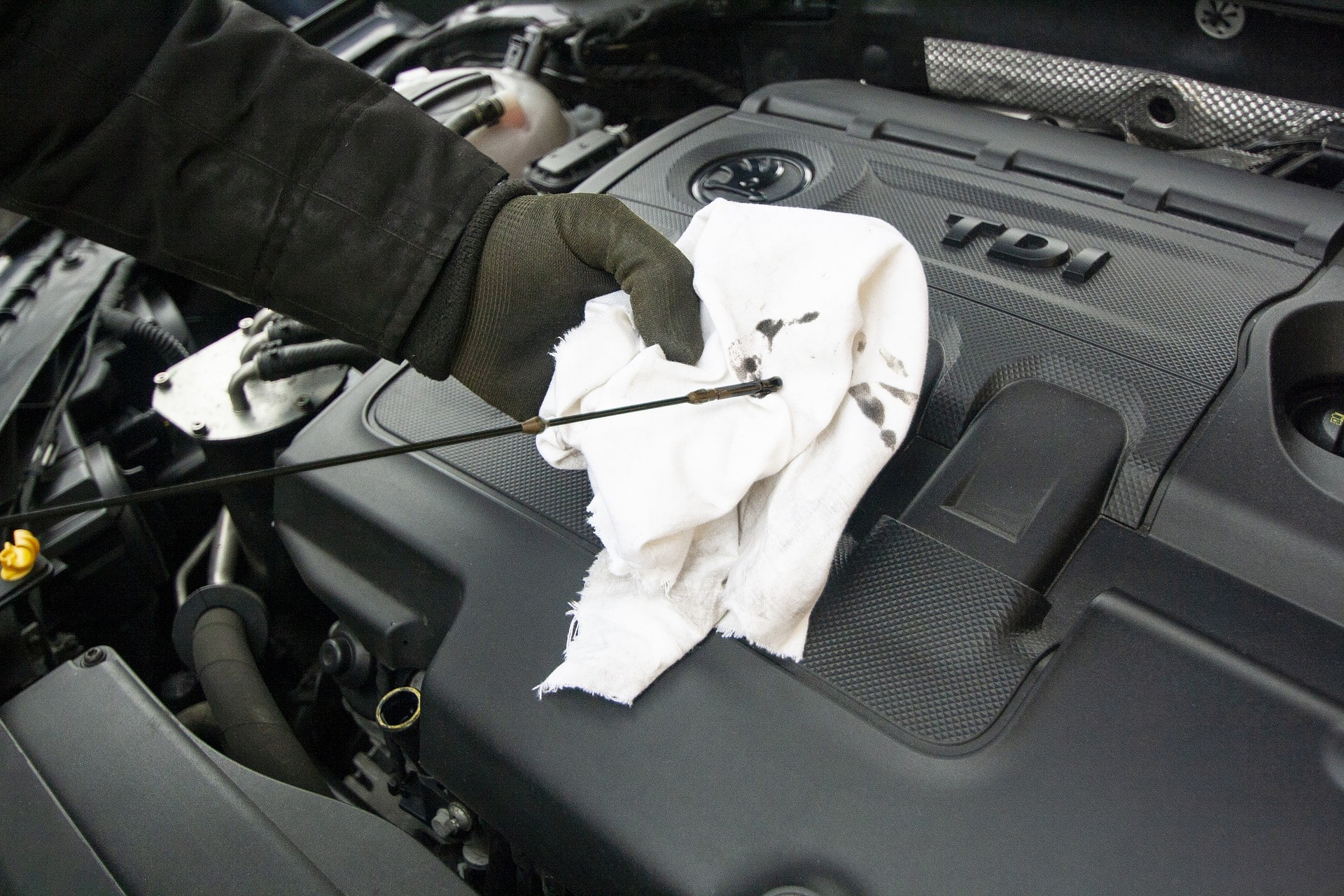
As an import auto owner, you know how important your car is to you. If you do not replace the car fluids in an imported car, you can face a number of serious problems. Without regular fluid replacement, engine oil will break down and become contaminated, leading to accelerated wear on internal components, increased fuel consumption, and a decrease in overall performance.
Coolant will begin to corrode the cooling system, leading to overheating and damage to the engine. Brake fluid will become degraded, reducing the effectiveness of the brakes and increasing the risk of an accident. Additionally, transmission fluid will become thick and contaminated, leading to slipping, jerking, and a decrease in fuel economy. It is essential to replace the fluids in an imported car on a regular basis to ensure your vehicle is running optimally and safely.
Keep Your Import Auto Happy With New Car Fluids
However, what about the maintenance you need before your car starts acting strangely? Every car, whether it be a Porsche, a BMW, or a Rolls-Royce needs fluids to be able to glide down the road at full power and strength. Here are the six fluids your import auto needs:
Engine oil
Your engine oil lubricates the engine to reduce friction and make sure your engine does not overheat. Keeping your import auto oil fresh is important in order to ensure that your vehicle runs smoothly and efficiently. Fresh oil helps to lubricate the engine’s moving parts, reducing friction and wear and tear on the engine. It also helps to keep the engine cool by removing heat and helping to reduce the operating temperature of the engine.
Additionally, fresh oil helps to capture small particles of dirt and debris that can accumulate in the engine over time, preventing clogging or other damage. Lastly, fresh oil helps to maintain the fuel economy and performance of the vehicle, as old oil can become thick and reduce the efficiency of the engine. Ultimately, keeping your import auto oil fresh is essential for the overall safety and performance of your vehicle. Get an import auto oil change with LPS Motorwerks today.
Transmission fluid
Much like the engine oil, your transmission fluid lubricates and cools the transmission. It also helps you shift gears to reach those high speeds you and your car love so much. If you run out of transmission fluid, the consequences can be dire for your vehicle. The transmission fluid is responsible for lubricating the transmission and its components, allowing the car to shift gears smoothly. Without the fluid, the transmission is at risk of grinding and seizing up, leading to costly repairs or even a total transmission replacement.
Additionally, running out of transmission fluid can cause damage to the clutches, seals, and other components, which can also be expensive to repair. Lastly, you may experience difficulty shifting into different gears, it may become hard to accelerate, and you may experience a decrease in fuel efficiency. All in all, running out of transmission fluid can be very costly and potentially damaging to your vehicle. Keep your fluid fresh!
Antifreeze Car Fluid
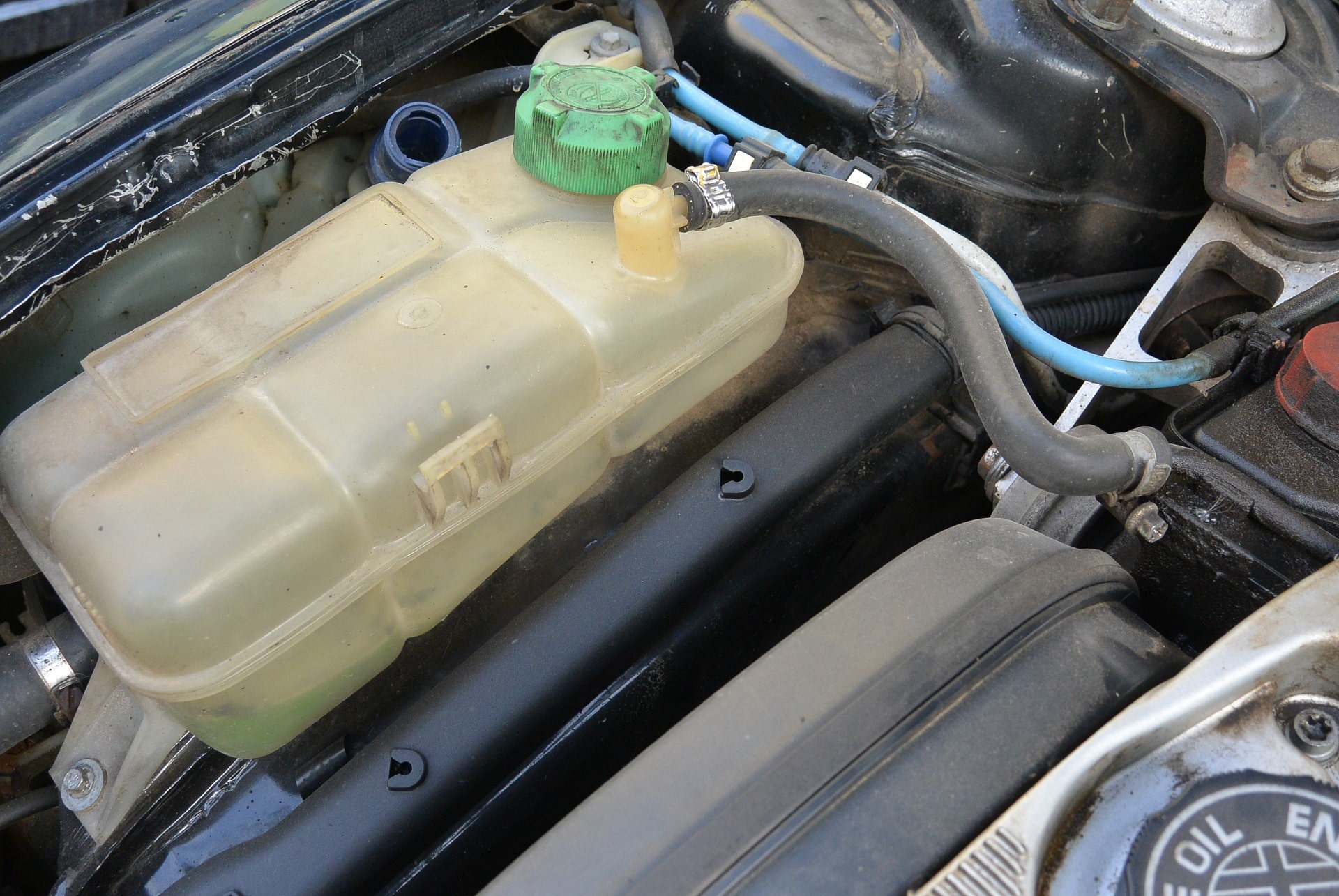
Like the name suggests, this fluid prevents your engine from freezing in those St. Charles winters. It can also prevent the water in your radiator from boiling as well! If that’s not enough, it also prevents corrosion and lubricates the water pump. Antifreeze car fluid is an essential part of any vehicle’s maintenance. It is used to prevent the engine and cooling system from freezing in cold temperatures, as well as reducing the boiling point of the coolant in hot climates.
Antifreeze also provides corrosion protection to the engine and cooling system components, helping to extend their life. Furthermore, it helps to keep the engine running smoothly and efficiently by controlling the temperature and preventing overheating. All in all, antifreeze car fluid is essential for optimal engine and cooling system performance. Without it, the engine could overheat, freeze up, or corrode, leading to costly repairs or worse, engine failure. For these reasons, it is important to make sure you have proper levels of antifreeze fluid. Do not hesitate to reach out to our import auto repair experts at LPS Motorwerks.
Washer fluid
Never underestimate the power of washer fluid on your imported vehicle. It’s not just soap and water; your washer fluid includes methanol to break down those bugs that can get stuck after a nice cruise down the highway. It is important to change your car’s washer fluid on a regular basis in order to keep it functioning properly and safely. Generally, you should change the washer fluid every six months or every 3,000 miles.
It is also a good idea to check the washer fluid level regularly and top off as needed. When replacing your washer fluid, be sure to use a high-quality product that is specifically designed for your vehicle. Additionally, if you are using a concentrated washer fluid, be sure to dilute it with water according to the manufacturer’s instructions. By regularly changing your washer fluid, you can help ensure that your vehicle remains safe and reliable.
Power steering fluid
Power steering fluid is pressurized to help you turn your vehicle around those tight corners with ease. Make sure this task is as smooth as possible by keeping your power steering fluid full. Power steering fluid is an essential part of a vehicle’s power steering system and helps keep drivers safe and in control. This fluid decreases the amount of effort needed to turn the steering wheel, allowing drivers to navigate tight turns and sharp corners easily.
In addition, it helps reduce wear and tear on the power steering system and ensures that it operates smoothly even when taking sharp turns at high speeds. The fluid also helps reduce vibration in the steering wheel, ensuring that drivers have a secure grip and are always in full control. Finally, power steering fluid helps protect the system from damage caused by extreme temperatures and harsh driving conditions, keeping drivers safe and in control.
Brake fluid
This fluid is pressurized to activate your brakes. When you press that brake pedal, fluid is pushed into hoses that move to the braking unit in your vehicle. Knowing when to change your brake fluid is an important part of keeping your vehicle in proper working order. There are several signs that indicate it’s time to change your brake fluid. This includes a soft or spongy feeling when you press the brake pedal. Noisy brakes and a burning smell or dark color when fluid is drained from the system.
Additionally, most manufacturers recommend changing the brake fluid every two years or 24,000 miles, whichever comes first. If you notice any of the aforementioned signs, it is likely time to change your brake fluid. By staying on top of regular maintenance, you can ensure that your car’s braking system will continue to work properly and keep you safe on the road.
Get Your Car Fluids Checked Today
A car fluid check at the import auto mechanic is an important part of regular auto maintenance. During a car fluid check, the mechanic will check the levels of all of the fluids in your vehicle, including the brake fluid, the engine oil, the coolant, and the transmission fluid. They will also check the hoses and belts for signs of wear or damage. If needed, they may also flush and refill any of the fluids, as well as replace any worn or damaged hoses and belts.
The mechanic will also inspect the battery and check all the lights, to make sure everything is functioning properly. All of this is done to ensure that your vehicle is running safely and efficiently, and to prevent any potential breakdowns or other issues down the road. No one who values his or her imported auto would let these fluids drop to dangerous levels. Come see St. Charles’ imported auto experts at LPS Motorwerks for all of your fluid and import auto service maintenance needs.