

Subaru has built a brand around reliability, safety, and performance—especially for drivers who value all-wheel drive in every season. From the versatile Outback to the rally-inspired WRX, these cars are a favorite across Missouri for good reason. But even the most dependable vehicles come with recurring service concerns. If you’re a Subaru owner in Lake St. Louis, St. Charles, or anywhere in the St. Louis region, knowing the most common Subaru-specific issues can help you stay ahead of costly repairs. As a trusted source for Lake St. Louis Subaru repair, we’ve seen firsthand how small issues—like worn gaskets or quirky CVTs—can escalate if not addressed promptly. Learn more from LPS Motorwerks on all things Subaru repair and common issues with Subarus now.
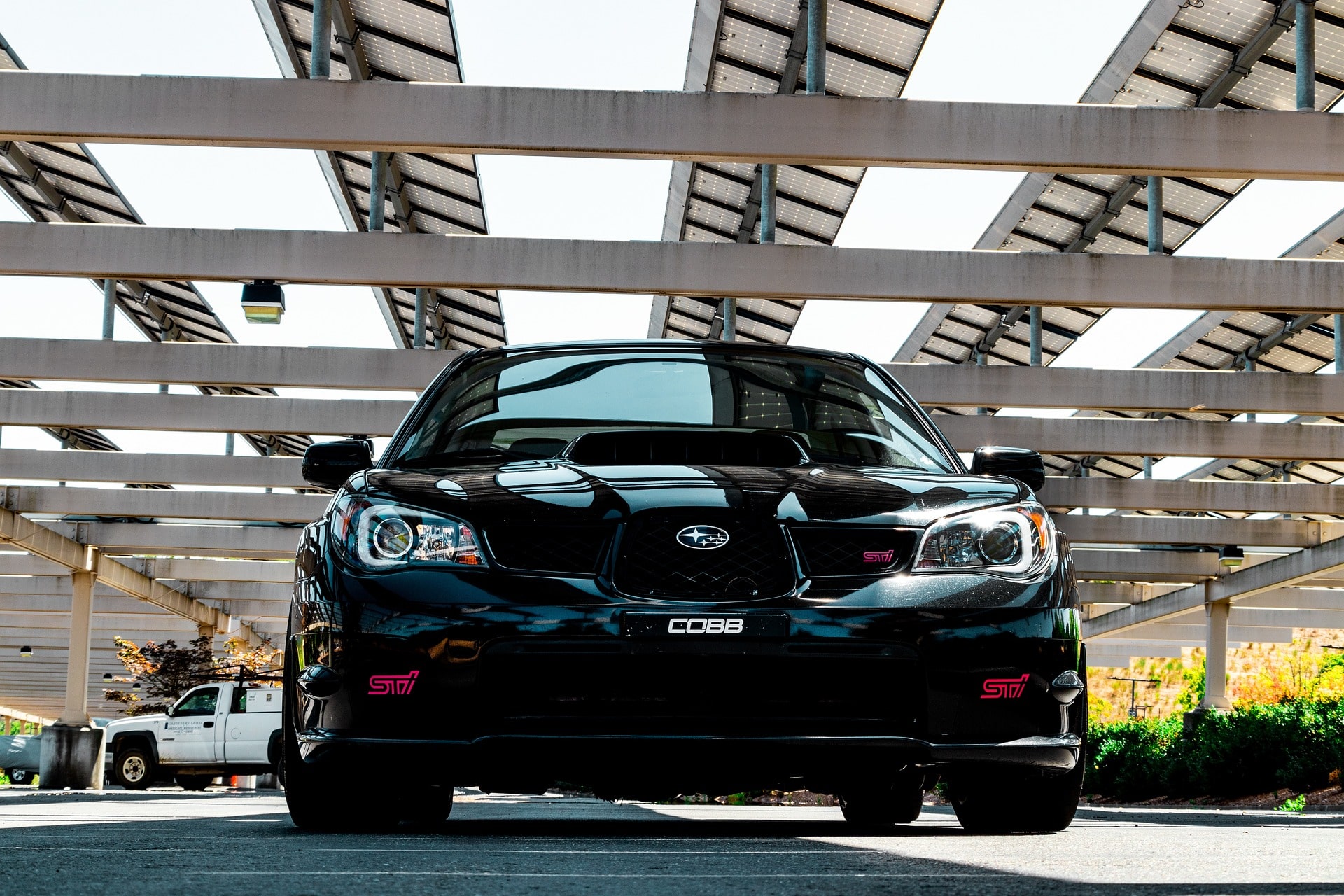
Why Subarus Are a Top Choice—But Not Problem-Free
Subarus have earned a loyal following for their all-wheel-drive capability, superior safety ratings, and balanced performance across a wide range of models. Whether you’re behind the wheel of a Forester, Outback, WRX, or Crosstrek, Subaru’s reputation for reliability and ruggedness makes them a popular choice among Missouri drivers. But even the most dependable vehicles have their quirks—and Subarus are no exception.
At our Lake St. Louis Subaru repair facility, we see a range of issues unique to these Japanese-engineered vehicles. If you’re looking for experienced Subaru service in Lake St. Louis, this guide will help you understand what to watch for and when to schedule maintenance before problems turn costly.
Head Gasket Failures in Subaru Boxer Engines
One of the most well-documented issues with older Subarus is head gasket failure. This was especially common in models built before the 2012 redesign, which improved internal sealing and coolant routing.
Why Subaru Engines Are More Prone to Gasket Leaks
Subaru’s signature boxer engine design is flat rather than upright, allowing for better balance and a lower center of gravity. However, this configuration also makes head gasket wear more common due to gravity pulling fluids horizontally across the seals. Over time, coolant and oil can seep into the combustion chamber, leading to performance issues and overheating.
Symptoms to Watch For in St. Charles Climate
Drivers in the Lake St. Louis area should be especially alert during extreme seasonal changes. White smoke from the tailpipe, engine overheating, and a sweet smell from your exhaust are all signs that your head gasket may be compromised. If caught early, a Subaru repair near St. Charles could save you from more expensive engine work later.
Updated Gaskets Help—But Not a Complete Fix
Subaru made critical changes to its head gasket design starting in the 2011–2012 production cycle. These updates primarily involved switching from a single-layer graphite gasket to a multi-layer steel (MLS) gasket, which was meant to improve durability, sealing strength, and resistance to coolant and oil intrusion. While this was a much-needed improvement, it didn’t fully eliminate the problem for all drivers.
Why Failures Still Occur After 2012
The truth is, even newer Subaru models—especially those equipped with the EJ series engines—can still develop head gasket problems. While less frequent, they haven’t vanished completely. Heat cycling, lack of proper coolant flushes, and low oil levels can all cause the upgraded gaskets to deteriorate over time. If you’re putting 15,000 to 20,000 miles a year on your Subaru, issues can start creeping in once you pass that 100,000-mile mark.
Risks for Drivers
In areas like Lake St. Louis, Wentzville, Chesterfield, St. Louis and St. Charles where winters can be harsh and summers are hot, thermal expansion from extreme temperature swings can exacerbate gasket wear. Subarus parked outside or used for longer commutes in stop-and-go traffic may show early signs of failure, even with the newer gaskets in place. Just because your Outback or Legacy is a post-2012 model doesn’t mean you’re off the hook.
Proactive Maintenance Saves Engines
The key to preventing catastrophic failure is early detection. A routine pressure test, cooling system inspection, and oil analysis from a Lake St. Louis Subaru repair specialist can catch minor leaks before they become major headaches. Drivers often wait too long, thinking a little white smoke or a minor coolant drop isn’t a big deal—until the engine overheats, warps, or fails entirely.
Subaru AC O-Ring Failure: A Common Comfort Killer
You hop in your Subaru on a humid Missouri afternoon, crank the A/C—and all you get is a wave of hot air. One of the most frequent causes isn’t the compressor or refrigerant levels—it’s a tiny part called the air conditioning O-ring.
The Role of the O-Ring in Your Subaru
O-rings help seal pressurized refrigerant in your Subaru’s air conditioning system. Over time, these rubber seals wear out or dry up, especially in changing climates like Lake St. Louis. This leads to leaks that slowly degrade your A/C’s ability to cool properly.
Symptoms of a Failing A/C System
No cold air, weak airflow, or strange hissing noises under the hood are all indicators of a worn A/C O-ring. While not an urgent mechanical problem, it can make driving during hot months unbearable—especially in a sealed AWD vehicle like a Subaru.
Affordable Fix from Lake St. Louis Subaru Repair Experts
The good news? This issue is typically inexpensive to diagnose and fix. At our Subaru repair shop near St. Charles, we regularly replace O-rings and recharge systems to keep our clients comfortable without unnecessary repairs.
Front Suspension Issues with Subaru: Comfort and Safety Risk
Your Subaru’s symmetrical all-wheel-drive system gives it a major edge on rough terrain—but the front suspension system still takes a beating, especially in the Midwest.
Why Subaru Rubber Components Wear Faster
Subarus use high-flex rubber bushings and mounts to help dampen vibrations and improve ride comfort. Unfortunately, these components tend to degrade faster than expected, especially in older models or vehicles driven in fluctuating weather conditions.
Signs of Suspension Problems
Clunking noises, uneven tire wear, pulling to one side, or a bouncy ride are all signs your Subaru’s suspension may need attention. Many drivers in St. Charles and Lake St. Louis mistake these for alignment issues—but worn bushings are often the real culprit.
The Importance of Routine Inspections
Front suspension problems can sneak up on you. That’s why regular checkups from a trusted Lake St. Louis Subaru repair shop are critical. We perform thorough diagnostics during routine maintenance to ensure your Forester, WRX, or Outback remains safe and smooth on the road.
 CVT Transmission Quirks: Notorious But Manageable
Many modern Subarus rely on Continuously Variable Transmissions (CVTs), which offer better fuel economy and smoother acceleration. But they also come with their own headaches.
How CVTs Behave Differently
CVTs don’t “shift” the way traditional transmissions do. This can lead to a learning curve—and misdiagnosed problems. However, hesitation, loud whining, or jerky starts are valid concerns and should be checked right away by a Subaru repair expert.
Common Subaru CVT Complaints
Continuously Variable Transmissions (CVTs) are now a standard feature in many Subaru models, offering smooth, shiftless acceleration and improved fuel economy. But for drivers in Lake St. Louis, CVT-equipped Subarus sometimes come with a unique set of challenges.
Premature Wear and Driving Symptoms
Many Subaru owners report noticeable signs of wear earlier than expected—often before hitting the 100,000-mile mark. Common complaints include delayed acceleration, jerking when shifting from park to drive, and a stretched or slipping sensation under load. This wear is often tied to internal steel belts and pulleys that degrade over time, especially without proper fluid service.
In hilly regions like St. Charles or areas with high traffic like Chesterfield, the added strain from frequent stops, starts, and inclines can accelerate wear and tear. The result is a driving experience that feels inconsistent, sluggish, or unresponsive.
Transmission Fluid Leaks and Overheating
Unlike conventional transmissions, Subaru CVTs rely heavily on a very specific type of fluid to manage both lubrication and pressure. Even a small leak—often from a worn gasket, pan seal, or sensor port—can lead to low fluid levels and subsequent overheating.
Unfortunately, CVT systems are often sealed and don’t include dipsticks, making it difficult for the average driver to monitor fluid health or levels. That’s why routine maintenance and inspections from a Lake St. Louis Subaru repair specialist are critical, especially if you notice fluid spots in your driveway or a burning smell after long drives.
Software Calibration and Drivability Issues
In addition to mechanical components, Subaru CVTs are controlled by software that adjusts shift patterns based on your driving habits. While this adaptive learning feature is meant to improve performance over time, it can sometimes cause drivability issues.
Symptoms of poor calibration include:
-
RPMs that surge unexpectedly
-
Lurching or delayed throttle response
-
Hesitation during acceleration from a stop
These software-related problems don’t require parts replacement—instead, a trained technician can perform a control module reset or install a software update from Subaru. At our Subaru repair shop near St. Charles, we often resolve these complaints without any mechanical work at all.
Maintenance Tips for Long-Term CVT Health
Despite their quirks, Subaru CVTs can last well beyond 150,000 miles with the right maintenance. Subaru recommends changing CVT fluid every 60,000 miles under normal conditions, but we advise Lake St. Louis drivers—especially those who tow, commute in stop-and-go traffic, or drive in extreme temperatures—to consider more frequent intervals.
If you’re noticing hesitation, whining noises, or poor throttle response, it may be time for a fluid service, software calibration, or full diagnostic check. Trusted Subaru repair in Lake St. Louis can keep your transmission running longer and smoother—without the guesswork.
Diagnosing and Fixing CVT Issues
Our Subaru repair team near St. Charles is equipped with OEM-grade diagnostics to assess your CVT’s health. Whether you need a fluid exchange, valve body replacement, or a full rebuild, we provide honest assessments and high-quality service.
Subaru Oil Consumption Problems: Especially in FB Engines
Certain Subaru engines, particularly the FB series found in the Outback and Impreza, have been known to consume more oil than expected between changes.
Which Subaru Models Are Affected?
The 2011–2015 Outback, Forester, and Crosstrek models are often flagged for this issue. Drivers may find themselves needing to top off oil every 1,000–1,500 miles—sometimes without an obvious leak.
Why Excess Oil Use Happens
Subaru’s high-revving boxer engines can allow oil to bypass piston rings, particularly in colder climates or with extended highway driving. If not monitored, this can lead to low oil levels and eventual engine damage.
Preventing Costly Repairs
Monitoring your oil levels regularly and using high-quality oil designed for Subarus can help. Our Lake St. Louis Subaru repair shop performs consumption tests and offers ring treatments or PCV replacements to mitigate this issue early.
Subaru Electrical Gremlins: Minor Yet Annoying
Subarus aren’t usually known for widespread electrical problems, but owners occasionally experience issues with sensors, dash lights, and key fob systems.
Most Common Subaru Electrical Issues
Battery drain, flickering dashboard lights, or unresponsive power windows often stem from corroded connectors or aging modules—especially in cars over 100,000 miles.
Sensor Malfunctions in Cold Weather
Drivers in Lake St. Louis report that wheel speed sensors, oxygen sensors, and fuel level sensors tend to malfunction in colder seasons. These aren’t catastrophic, but they can trigger warning lights or limit system performance.
Our Fix: Smart Diagnostics for Subaru Electronics
Our technicians use Subaru-specific scan tools to accurately isolate the issue—whether it’s a faulty sensor, wiring short, or battery drain. If you’re in Lake St. Louis and need expert Subaru diagnostics, we’ve got the right tools and experience.
Contact Lake St. Louis’ Trusted Subaru Repair Team
Owning a Subaru means enjoying excellent AWD performance, long-term reliability, and smart design—but it also requires attention to a few specific maintenance areas. From head gasket fixes to Subaru suspension tuning and CVT diagnostics, we’ve helped hundreds of Subaru drivers across Lake St. Louis, to St. Louis and St. Charles keep their vehicles in top shape.
Whether you’re dealing with a small A/C issue or a major engine concern, our Subaru-certified repair team is ready to help. We provide fast diagnostics, transparent pricing, and service tailored specifically to the Subaru brand.
Need trustworthy Subaru maintenance in the greater St. Louis are? Our Lake St. Louis Subaru repair that goes above and beyond? Contact us today and get back on the road with confidence.