
Porsche Panamera Repair In Lake St. Louis: Service, Tuning, and Upgrades
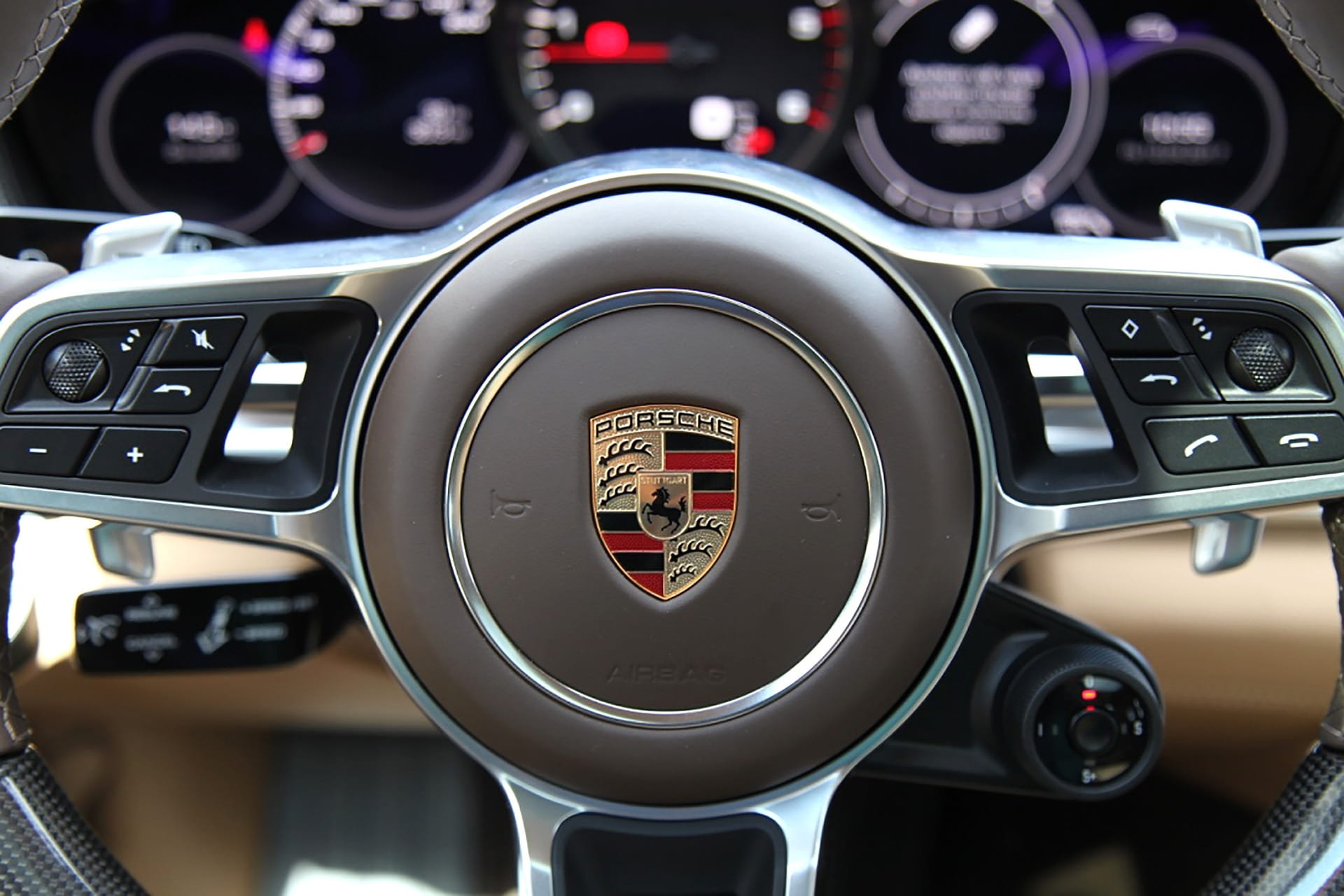
At LPS Motorwerks, the Porsche Panamera represents a unique combination of luxury engineering and high-performance technology that requires far more than routine service knowledge. The Porsche Panamera repair service in Lake St. Louis focuses on tuning and repair servicees. From twin-turbocharged powerplants and lightning-fast PDK transmissions to adaptive suspension systems and complex electronic networks, every component of the Panamera platform is engineered with precision. Servicing and tuning these vehicles correctly requires specialized diagnostics, Porsche-specific expertise, and a deep understanding of how the Panamera’s performance systems work together. Our technicians focus on maintaining and enhancing this platform so Panamera owners can continue to experience the power, refinement, and driving dynamics that define Porsche engineering. Learn more from LPS Motorwerks on the Porsche Panamera now!
Understanding the Porsche Panamera Platform
 The Porsche Panamera platform blends Porsche’s performance engineering with the complexity of a full-size luxury sedan, creating a vehicle that requires specialized knowledge when it comes to repair, maintenance, and tuning. Unlike many performance cars, the Panamera integrates advanced turbocharged engines, Porsche Active Suspension Management, sophisticated electronic control systems, and multiple drivetrain configurations into a single platform. Because of this engineering depth, properly servicing a Porsche Panamera means understanding how these systems interact—from engine performance and transmission behavior to suspension calibration and electronic diagnostics. Accurate repairs and performance upgrades depend on technicians who are familiar specifically with the Panamera platform rather than treating it like a general import vehicle.
Porsche Panamera Generations
Not all Porsche Panamera models are built the same, which is why identifying the exact generation is one of the most important steps when diagnosing problems or planning performance modifications. Over time, Porsche has introduced major engineering updates that changed the Panamera’s drivetrain technology, suspension design, turbocharger systems, and onboard electronics. These changes affect everything from repair procedures to Porsche tuning potential. A service strategy that works for an early Panamera may not apply to newer models, and understanding those differences ensures repairs, maintenance schedules, and performance upgrades are handled correctly for each specific vehicle.
970 Panamera (2010–2016)
The first-generation Porsche Panamera (970) established Porsche’s entry into the luxury four-door performance sedan market. These Panamera models introduced a platform built around powerful V6 and V8 engines, available twin-turbo configurations, Porsche’s advanced all-wheel-drive systems, and early versions of the PDK transmission that delivered rapid shifting performance. While these vehicles remain extremely capable, they also have specific service considerations related to cooling systems, engine components, transmission maintenance, and suspension systems that develop with age. Proper Porsche Panamera tuning for the 970 platform requires technicians who understand these early engineering designs and how to maintain their performance reliability.
971 Panamera (2017–Present)
The second-generation Porsche Panamera (971) introduced major technological advancements that significantly changed the Panamera’s performance capabilities and complexity. These models feature updated turbocharged engines, improved PDK transmission systems, enhanced suspension technologies, and the introduction of hybrid powertrain options within the Panamera lineup. The newer platform also integrates far more advanced electronic control modules, making proper diagnostics and software calibration an essential part of Porsche Panamera service. Because of these technological upgrades, maintenance, tuning, and repair strategies for the 971 generation require modern diagnostic equipment and a detailed understanding of how Porsche engineered this newer Panamera platform.
Common Porsche Panamera Repair Issues In Lake St. Louis
Porsche Panamera Engine Repair
The Panameras uses a range of sophisticated turbocharged engines designed to deliver both luxury refinement and high-performance power. These engines operate under significant heat and pressure, especially in twin-turbo configurations found in models like the Panamera Turbo and Panamera GTS. Over time, proper Porsche Panamera engine repair may involve addressing oil leaks, cooling system inefficiencies, carbon buildup on intake valves common in direct-injection engines, and turbocharger wear. Because of the complexity of the Panamera platform, accurate diagnostics are essential before replacing major components. Identifying the root cause of performance loss, oil consumption, or overheating ensures repairs restore the engine’s reliability and performance rather than simply masking the underlying issue.
Cooling System Issues in the Porsche Panamera
The Porsche Panamera cooling system plays a critical role in protecting its turbocharged engines from overheating. Radiators, coolant lines, water pumps, and thermostats must all function properly to maintain consistent engine temperatures. When cooling components begin to wear, Panamera owners may notice rising engine temperatures, coolant odors, or reduced engine efficiency. Proper Porsche Panamera engine repair often involves inspecting the entire cooling system to ensure the engine remains protected under both daily driving and high-performance conditions.
Turbocharger and Carbon Buildup in Panamera Engines
Many Porsche Panamera models rely on turbochargers to deliver smooth but aggressive power output. Over time, turbo components can experience wear due to heat cycles and high boost pressure. Additionally, direct-injection Panamera engines can develop carbon buildup on intake valves, which may affect airflow and engine performance. Addressing these issues during Porsche Panamera engine service helps maintain throttle response, engine efficiency, and long-term reliability.
Porsche Panamera Transmission Repair
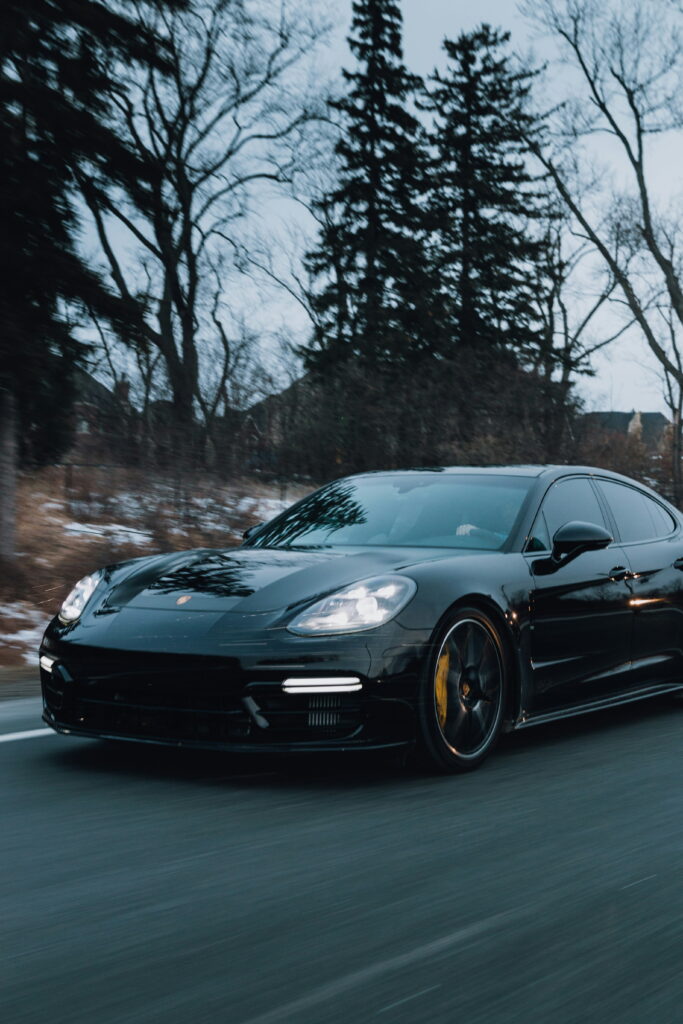 Lake St. Louis Porsche Panamera models are equipped with Porsche’s advanced PDK dual-clutch transmission system, which delivers extremely fast and precise gear changes. This transmission plays a major role in the Panamera’s performance capabilities, but it also requires proper maintenance and calibration to operate correctly. Porsche Panamera transmission repair may involve servicing transmission fluid, diagnosing mechatronic components, addressing clutch wear, or recalibrating the transmission control software. When properly maintained, the PDK transmission offers exceptional responsiveness and durability, but neglecting service intervals can lead to rough shifting, delayed engagement, or transmission warning messages.
Porsche Panamera PDK Service and Maintenance
Routine PDK service is essential for maintaining smooth gear transitions and preventing premature wear inside the Panamera transmission. Fluid condition, clutch pack performance, and internal hydraulic systems must be inspected regularly to ensure optimal performance. Proper Porsche Panamera PDK service helps maintain the quick and seamless shifting that defines the driving experience of the Panamera.
Transmission Diagnostics for Porsche Panamera Models
Modern Porsche Panamera transmissions rely heavily on electronic control modules that communicate with the engine, drivetrain, and stability systems. When shifting behavior changes or warning lights appear, advanced diagnostic equipment is required to identify the exact cause. Accurate Porsche Panamera transmission diagnostics help technicians determine whether the issue involves software calibration, sensor inputs, or internal mechanical components.
Porsche Panamera Suspension Repair
The Porsche Panamera is engineered to deliver both sports-car handling and luxury ride comfort, which is achieved through an advanced suspension system. Many Panamera models feature adaptive air suspension and electronically controlled damping that automatically adjusts to road conditions and driving style. Over time, components such as air struts, compressors, ride height sensors, and suspension control modules may require service or replacement. Proper Porsche Panamera suspension repair ensures the vehicle maintains its precise handling characteristics while preserving the smooth ride quality expected from a high-performance luxury sedan.
Porsche Panamera Air Suspension Service
The air suspension system used in many Panamera models relies on pressurized air struts and compressors to control ride height and comfort. When leaks develop or compressors begin to fail, the vehicle may sit unevenly or display suspension warning messages. Proper Porsche Panamera air suspension service involves diagnosing leaks, testing system pressure, and ensuring all components maintain the correct ride height calibration.
Ride Height Calibration and Suspension Electronics
Porsche Panamera suspension systems rely on electronic sensors and control modules to maintain proper ride height and damping adjustments. When sensors malfunction or suspension components are replaced, calibration is required to restore proper system operation. Accurate Porsche Panamera suspension diagnostics and calibration help maintain stability, cornering precision, and overall driving performance.
Performance Tuning for Porsche Panamera Near St. Louis
The Porsche Panamera is engineered with turbocharged powerplants and advanced electronics that respond exceptionally well to carefully planned performance upgrades. Because the Panamera blends luxury engineering with high-output engines, performance tuning must be approached with precision to maintain reliability while unlocking additional power. Professional Porsche Panamera tuning typically focuses on optimizing engine software, improving exhaust flow, and enhancing turbocharger performance. When upgrades are engineered correctly, Panamera owners can experience noticeably stronger acceleration, sharper throttle response, and improved mid-range power while preserving the refined driving experience the Panamera is known for.
ECU Tuning for the Panamera
Many Porsche Panamera models feature turbocharged engines that can gain significant performance improvements through ECU recalibration. Porsche Panamera ECU tuning adjusts parameters such as boost pressure, ignition timing, throttle mapping, and fuel delivery to increase horsepower and torque output. When Porsche tuning is performed with proper calibration, Panamera owners often notice stronger mid-range acceleration and improved throttle response while maintaining the drivability and reliability expected from a Porsche engine.
Porsche Panamera Exhaust Upgrades
Performance exhaust systems are a popular upgrade for Panamera owners who want both improved engine breathing and a more aggressive exhaust note. Porsche Panamera exhaust upgrades may include cat-back systems, high-flow catalytic converters, or performance downpipes designed to reduce exhaust restriction. By improving exhaust flow, these upgrades can help turbocharged Panamera engines operate more efficiently while producing a deeper, more pronounced sound under acceleration.
Porsche Panamera Turbocharger Upgrades
For drivers looking to significantly increase the performance of their Panamera, turbocharger upgrades offer some of the most dramatic power gains available. Porsche Panamera turbo upgrades can involve hybrid turbochargers or larger performance units designed to increase airflow and boost potential. Because these upgrades place greater demands on the engine system, they typically require supporting modifications such as improved cooling systems, fueling upgrades, and custom ECU calibration to ensure the Panamera maintains long-term reliability while delivering substantially higher horsepower and torque.
The Porsche Panamera is a large performance sedan weighing roughly 4,200 to 4,800 pounds depending on trim level, which places significant demand on its braking system. Many Panamera models utilize 6-piston front brake calipers paired with 4-piston rear calipers and brake rotors measuring approximately 380 mm to 420 mm in diameter. Under proper operating conditions, these systems allow the Panamera to stop from 60 mph in roughly 100 to 110 feet. Typical Porsche Panamera brake service intervals include brake pad replacement around 25,000 to 40,000 miles, rotor replacement between 40,000 and 60,000 miles, and brake fluid service every 20,000 miles or about every two years. Models equipped with Porsche Ceramic Composite Brakes can see rotor lifespans exceeding 100,000 miles under normal driving conditions.
Porsche Panamera Electrical and Diagnostic Tune-Up
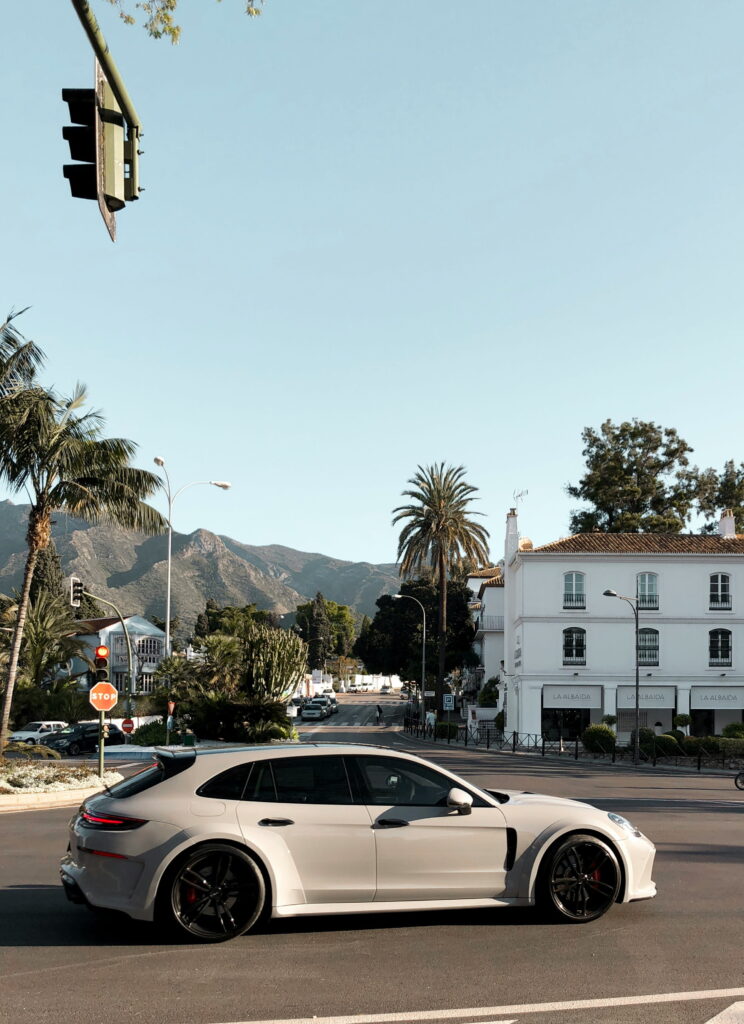 Modern Porsche Panamera models contain an extensive electronic network that can include between 40 and 70 control modules depending on generation and configuration. These modules manage engine performance, transmission behavior, adaptive suspension adjustments, safety systems, and driver assistance technologies. Communication between modules occurs through high-speed data networks that transmit signals thousands of times per second. When issues occur, Porsche diagnostic systems can detect hundreds of potential fault codes that must be interpreted with Porsche-specific diagnostic tools. Electrical issues in Panamera models commonly begin appearing between 60,000 and 100,000 miles and may involve sensor degradation, module communication interruptions, or required software calibration updates.
Signs Your Porsche Panamera May Need Service
Many Porsche Panamera service concerns begin to appear between 40,000 and 90,000 miles depending on driving habits and maintenance history.
Common warning signs that your Porsche Panamera may require inspection include:
-
Rough or delayed shifting from the PDK transmission
-
Reduced turbocharger boost or noticeable loss of acceleration
-
Uneven ride height caused by air suspension leaks or failing compressors
-
Coolant odors or rising engine temperatures indicating cooling system issues
-
Dashboard warning lights related to engine, suspension, or drivetrain systems
Addressing these symptoms early can help prevent larger mechanical failures that may otherwise lead to repairs ranging from roughly $3,000 to more than $10,000 if ignored.
Schedule A Porsche Panamera Repair Service In Lake St. Louis
The Porsche Panamera is one of the most refined and capable performance sedans on the road. With proper Porsche maintenance, expert diagnostics, and carefully engineered performance upgrades, the Panamera platform can deliver exceptional performance for many years. At LPS Motorwerks, we specialize in Porsche Panamera repair, tuning, and maintenance. From routine service to advanced performance upgrades, our technicians focus specifically on the Panamera platform to ensure every vehicle receives the level of precision service it deserves.