When you drive a luxury automobile, it is imperative that you take care of it properly, especially during the winter. Driving safely in the winter is imperative for you and your family. We discuss our Luxury Import Car Maintenance Tips In Lake St. Louis to ensure our drivers are properly set this season. Learning about luxury import auto maintenance tips can save you a lot of money. The snow, sleet, salt, and cold weather will take their toll on it, otherwise. To that end, LPS Motorwerks, the leading luxury auto repair shop in Lake St. Louis offers some valuable tips for import car maintenance during the winter months. This information should keep your car running well and looking its best. Learn more from LPS Motorwerks and drive safe this winter!
Luxury Auto Repair & Maintenance Tips for Winter
There are a few reasons cars break down in the cold weather in Lake St. Louis. The first reason is that the cold weather can cause the battery to die. When the battery dies, the car will not start. The second reason is that the cold weather can cause the engine to freeze. When the engine freezes, the car will not run. The third reason is that the cold weather can cause the tires to lose their grip. When the tires lose their grip, the car will not drive. These are some of the core reasons why an import auto may break down during the winter. LPS Motorwerks has a few other tips to ensure you do not run into any issues with inclement weather this season.
Top Off Fluids
Have your fluids checked and topped off for winter, particularly the antifreeze and washer fluids. Also, make sure you use winter oil, which flows more easily in cold weather and better lubricates your engine. Lubrication is important for keeping engine parts moving freely and reducing wear and tear. It also helps to prevent corrosion by keeping parts clean and providing a barrier against moisture and other elements. Lubrication can also help to dissipate heat, making it an important part of the cooling system.
Check Oil Quality
Checking the oil quality in your import car before winter is crucial because colder temperatures can cause oil to thicken, reducing its ability to lubricate the engine effectively. Old or degraded oil may not provide adequate protection, leading to increased engine wear and potential damage, especially during cold starts when the engine is most vulnerable. Ensuring your oil is in good condition helps maintain optimal engine performance, enhances fuel efficiency, and reduces the risk of costly repairs, keeping your vehicle running smoothly through the winter months.
Premium Oil and Cold Weather
Using premium oil in cold weather can significantly benefit your car’s performance and longevity. Premium oils, often synthetic or semi-synthetic, are engineered with advanced additives and base oils that remain fluid at lower temperatures, providing better lubrication during cold starts. This helps reduce engine wear and tear when the engine is cold and improves overall efficiency. Premium oils also offer superior protection against sludge and deposits, which can be particularly problematic in cold weather where the engine may run less efficiently. By maintaining optimal viscosity and reducing friction, premium oil ensures smoother engine operation and enhanced performance even in harsh winter conditions. Learn more about our foreign car oil change service today.
Washer Fluid Levels
Your car’s washer fluid is important for keeping your windshield clean and clear. Over time, the washer fluid will get dirty and will need to be replaced. The frequency with which you need to replace your washer fluid will depend on how often you use it. If you live in an area with a lot of dust or pollen, you may need to replace it more often. You should also check your washer fluid level regularly and top it off as needed.
Cold Weather and Washer Fluids
The type of washer fluid you use in cold weather areas matters because not all fluids are designed to withstand freezing temperatures. Standard washer fluids can freeze in extreme cold, leading to clogged washer nozzles, damaged fluid reservoirs, and potentially cracked fluid lines. Cold-weather-specific washer fluids contain antifreeze agents that lower the freezing point, ensuring the fluid remains liquid and effective even in subzero conditions. This is crucial for maintaining clear visibility on icy or snowy roads, as it allows the washer fluid to remove salt, grime, and frost from the windshield without freezing on contact.
Antifreeze Level Check
If your car is leaking coolant, it’s a strong indication that you may need to replace your antifreeze. Coolant leaks can lead to overheating and potential engine damage, so addressing the issue promptly is crucial. To diagnose the problem, start by checking the level and condition of your coolant using the overflow tank, which is usually marked with a maximum and minimum level indicator. The coolant in the tank should be a 50/50 mixture of water and antifreeze to ensure proper freezing and boiling point protection. Typically, it should be a clear green or yellow color; if you notice that it’s low, dirty, or discolored, it’s time to take action. Low coolant levels may suggest a leak or a problem with the cooling system, while dirty or degraded coolant indicates that it’s time to flush the system and add fresh coolant. Flushing the system removes any debris or sediment that could impede the flow and efficiency of the coolant, ensuring your engine remains well-protected and operates smoothly.
Inspect Hoses & Clamps
Schedule an inspection of the hoses through which the car’s fluids travel, as well as the clamps that hold them in place. If they appear frayed, loose, or worn, have them replaced. Fluid leaks can lead to expensive transmission or engine damage.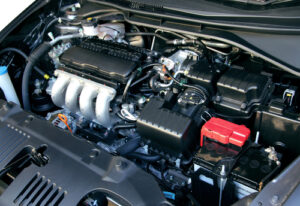
The first thing you need to do is check the clamps to see if they’re still in good shape. If they’re not, then you’ll need to replace them. If they are, then you can just tighten them up.
How To Know If Your Transmission Is Damaged
To determine if your transmission might be damaged due to leaky car fluids, look out for several key signs. First, check for fluid leaks underneath your vehicle. Transmission fluid is typically red or pink, so if you notice a puddle of this color, it could indicate a leak. Low transmission fluid levels can lead to erratic shifting, slipping, or hesitation when accelerating. If you experience these symptoms, it might be due to a lack of proper lubrication. Additionally, watch for unusual noises, such as grinding or whining, when the transmission is in gear, which can signal internal damage. A slipping transmission, where the engine revs without a corresponding increase in speed, is another red flag. If you notice any of these issues, it’s crucial to have your transmission inspected by a professional mechanic to assess the extent of the damage and prevent further problems. Regular maintenance and timely repairs can help avoid significant damage and ensure your transmission remains in good working order.
Signs Your Engine May Need A Tune-Up From Leaky Fluids
If your engine may need a tune-up due to leaky fluids, there are several signs to watch for. Leaking fluids, such as oil, coolant, or transmission fluid, can cause a range of performance issues. You might notice rough idling, decreased acceleration, or a drop in fuel efficiency, which can indicate that the engine is not running smoothly due to insufficient lubrication or overheating. Other symptoms include unusual engine noises, such as knocking or pinging, and a noticeable decrease in power. Additionally, dashboard warning lights, such as the check engine light, may illuminate, signaling potential problems that a tune-up can address. Regularly checking fluid levels and addressing leaks promptly can help maintain engine performance and prevent more severe damage.
Check the Battery
Your battery can lose its charge in cold weather. Have it inspected this winter so you don’t find yourself stranded somewhere inconvenient in need of a jump start. Have the levels topped off with distilled water and have the terminals and cables cleaned of corrosion to ensure a quick start.
Install Winter Tires
Another key component of import car maintenance is to replace your summer tires with models designed for winter driving. Winter tires have more—and deeper—treads to give you better handling on snow and ice. Additionally, they are made of softer rubber so they remain pliable in cold weather.
There are a few things to consider when purchasing winter tires for a foreign car. First, what is the climate like where you live? If you live in an area with a lot of snow and ice, you’ll want to get tires that are specifically designed for those conditions. You’ll also want to make sure that the tires you purchase are the right size for your car. You can usually find this information in your car’s owner’s manual. Finally, you’ll want to think about your budget. Winter tires can be quite expensive, so you’ll want to make sure you’re getting the best bang for your buck.
Use Fresh Wiper Blades
Visibility becomes a real issue during winter when roads are slushy and ice collects on your windshield. For driving safety, replace last year’s wiper blades with a fresh set to ensure you can see the road clearly.
Contact LPS Motorwerks For Import Auto Maintenance In Lake St. Louis
For luxury car maintenance or repairs on vehicles like Lexus, Jaguar, or Mercedes, reach out to the experts at LPS Motorwerks in Lake St. Louis, MO. With over a decade of experience and a dedicated team of import car maintenance specialists, they deliver top-quality results and unmatched customer service. To schedule service, call (636) 698-3681, or visit our blog for more information, including a map and business hours.