
Lake St. Louis Brake Repair: When Brakes Should Be Replaced
depositphotos-6628651-m-2015-5-5a8c537130d42

It is important to have great brakes for your car for a number of reasons. Lake St. Louis Brake Repair services are offered to all residents in and around Lake St. Louis.  Learn more about the benefits of proactive brake upkeep with LPS Motorwerks now.  Brakes are important!  First, brakes are a key safety feature of your vehicle. They allow you to stop quickly and safely in a variety of conditions. Second, brakes that are in good condition improve your car’s performance.

They make it easier to control your car, and can help you save fuel by reducing the need for excessive braking. Finally, well-maintained brakes prolong the life of your car. By keeping your brakes in good condition, you can avoid expensive repairs and replacements down the road. If you are looking for exemplary brake repair or brake tuning, trust in the LPS Motorwerks.
brake replacement lake st. louis

Lake St. Louis Brake Repair Shop

Taking your import car to the Lake St. Louis brake repair shop at the first sign of a problem is crucial for safety, preventing accidents by ensuring effective braking. Early detection and repair of brake issues prevent minor problems from escalating into costly repairs, maintaining your vehicle’s performance, warranty, and resale value. Specialized import brake shops have the expertise and equipment to accurately diagnose and fix issues, ensuring your brakes function optimally and cost-effectively in the long run.

Common Brake Repair Services

The most common brake repair services at a Lake St. Louis foreign car mechanic include:

Brake Pad Replacement

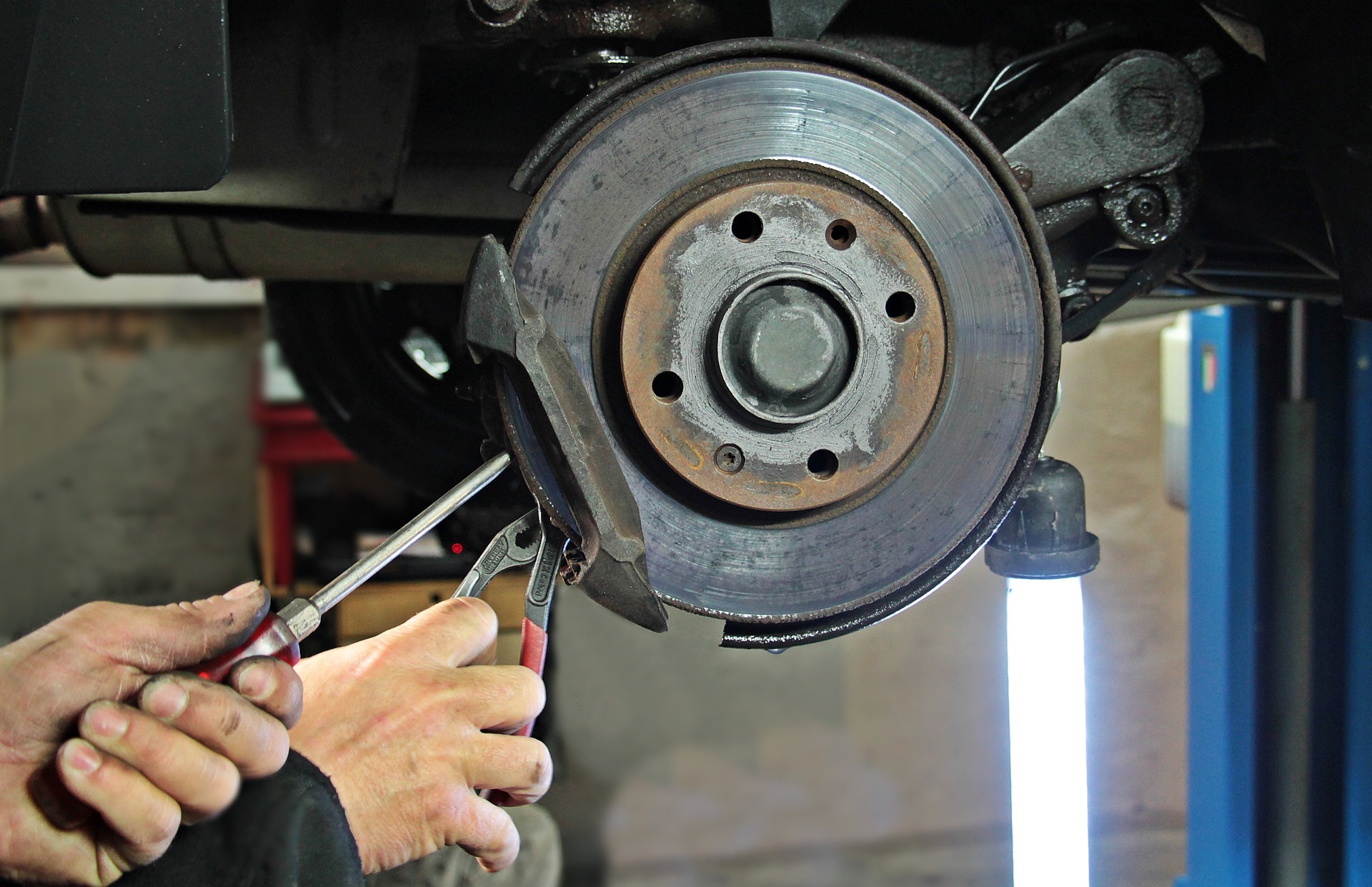
This involves changing worn brake pads to ensure proper braking performance and prevent damage to rotors. Brake pads are a critical component of the braking system, providing the friction necessary to slow down and stop the vehicle. Over time, they wear down due to the constant friction against the rotors. When brake pads become too thin, they lose their effectiveness, leading to longer stopping distances and reduced braking power. Additionally, worn brake pads can cause metal-to-metal contact with the rotors, leading to rotor damage, which is more costly to repair or replace. Replacing brake pads regularly maintains optimal braking efficiency, ensures driver safety, and prevents more extensive damage to the braking system.

Rotor Resurfacing or Replacement

This process involves resurfacing or replacing brake rotors that are warped, scored, or excessively worn to maintain effective braking performance and ensure safety. Rotors, also known as brake discs, are the surfaces that brake pads clamp down on to create the friction needed to slow down or stop the vehicle. Over time, rotors can become warped due to excessive heat buildup, causing a pulsating sensation in the brake pedal. They can also develop deep grooves or scoring from worn brake pads, reducing the rotor’s contact surface and leading to uneven braking.

Resurfacing Brakes

Resurfacing, also known as machining, involves removing a thin layer of the rotor’s surface to create a smooth and even finish. This can be done if the rotors have minor imperfections and enough thickness remains to meet the manufacturer’s specifications. However, if the rotors are too thin, excessively worn, or damaged beyond repair, they need to be replaced. New rotors restore the braking system’s effectiveness, ensuring that the vehicle stops smoothly and safely. Regular maintenance of rotors helps prevent further damage to the braking system, extends the life of the brake components, and maintains optimal braking performance.

Caliper Servicing or Replacement

This involves inspecting, cleaning, lubricating, and replacing brake calipers if they are not functioning correctly to ensure the braking system operates smoothly and safely. Brake calipers are crucial components that house the brake pads and pistons, applying pressure to the pads to create the friction needed to slow or stop the vehicle. Over time, calipers can develop issues due to wear and tear, corrosion, or contamination from brake fluid leaks.

Inspection

The process begins with a thorough inspection of the calipers to check for signs of damage, corrosion, or leakage. The mechanic will look for any sticking or uneven movement of the caliper pistons, which can indicate internal problems.

Cleaning

If the calipers are dirty or contaminated with brake dust or debris, they will be cleaned. This helps ensure smooth operation and prevents any particles from causing further damage or affecting the braking performance.

Lubricating

The caliper guide pins and other moving parts are lubricated with high-temperature brake grease. Proper lubrication ensures that the caliper can move freely and apply even pressure to the brake pads, preventing uneven wear and enhancing braking efficiency.

Replacement

If the calipers are found to be damaged, corroded, or not functioning correctly despite cleaning and lubricating, they will need to be replaced. Replacing faulty calipers is essential to restore proper braking function, as malfunctioning calipers can cause uneven braking, increased stopping distances, and in severe cases, complete brake failure.

Caliper servicing or replacement is a vital part of brake maintenance, ensuring that the braking system functions reliably and efficiently. Properly functioning calipers contribute to the overall safety of the vehicle by providing consistent and effective braking performance, preventing premature wear of other brake components, and maintaining driver control in various driving conditions.

Inspecting, cleaning, lubricating, and replacing brake calipers if they are not functioning correctly.

Brake Fluid Replacement

This procedure involves flushing and replacing old or contaminated brake fluid to uphold optimal hydraulic pressure and ensure reliable brake performance. Brake fluid is crucial for transmitting the force applied to the brake pedal through the brake lines to the brake calipers or wheel cylinders, which then press the brake pads or shoes against the rotors or drums to slow or halt the vehicle. Over time, brake fluid absorbs moisture from the air, which lowers its boiling point and reduces its effectiveness in transmitting hydraulic pressure. This can lead to brake fade, where the brakes become less responsive under heavy or prolonged braking.

Brake Line Inspection and Repair

This critical procedure involves checking the brake lines thoroughly for cracks, leaks, or other damage to prevent brake fluid loss and ensure safe braking performance. Brake lines are essential conduits that carry brake fluid from the master cylinder to the brake calipers or wheel cylinders, enabling the transmission of hydraulic pressure to apply the brakes

Brake System Bleeding

Brake system bleeding is a crucial maintenance procedure aimed at removing air bubbles from the brake lines to guarantee a firm and responsive brake pedal feel, essential for effective braking performance. Air can enter the brake system through various means, such as during brake fluid replacement, due to a leak in the brake lines, or when components like brake calipers or wheel cylinders are serviced.

Master Cylinder Repair or Replacement

The master cylinder is a vital component of the brake system, responsible for converting the pressure applied to the brake pedal into hydraulic pressure that activates the brake calipers or wheel cylinders. Addressing issues with the master cylinder is essential for maintaining proper brake pressure and ensuring reliable braking performance.

Parking Brake Adjustment or Repair

Ensuring the parking brake is properly adjusted and functioning correctly is crucial for safe parking and emergency use situations. The parking brake, also known as the handbrake or emergency brake, is a mechanical brake system separate from the primary brake system. It is designed to hold the vehicle stationary when parked and can also serve as an emergency brake in case of brake system failure.

These services ensure that the brake system of foreign cars remains in optimal condition, providing safe and reliable braking performance.

Brake Replacement In Lake St. Louis

There are a few common signs that you need to replace your brakes on your car. One is that your car may take longer to stop than usual. Another is that you may hear a squealing noise when you brake. Finally, your brake pedal may feel softer than normal. If you notice any of these things, it’s a good idea to have your brakes checked by a Lake St. Louis foreign car mechanic.  Learn more about the common reasons for brake replacement in Lake St. Louis now.

Steering Wheel Vibration

Even some of the most expensive car models available have brake systems that are prone to warping. If you’re experiencing noticeable steering wheel vibration when you engage the pedal, this is a sure sign the front rotor has incurred physical damage that is preventing it from performing optimally.

If your steering wheel is vibrating, it is likely that there is an issue with your tires, brakes or wheels. You may need to have a mechanic check your tires and wheels to see if they are out of balance or if there is something else causing the vibration. If the issue is with your tires or wheels, a mechanic can help you fix the problem so that your steering wheel no longer vibrates.  If its the brakes, do not hesitate to reach out to our brake replacement in Lake St. Louis center.  We can help!

Screeching or Grinding Noises

Luxury cars such as the Lexus come equipped with ceramic brake pads which are designed to operate with zero noise emission. Grinding or screeching sounds are audible warning signs that brake pads are worn down and require immediate replacement.

If your brakes are screeching or grinding, then you should definitely get them replaced. Not only is it incredibly annoying, but it can also be dangerous. Your brakes are one of the most important parts of your car, so you don’t want to take any chances. Screeching or grinding brakes can indicate that they’re wearing down and need to be replaced.  If you hear any strange noises coming from your brakes, make sure to get them checked out as soon as possible by a Lake St. Louis import auto mechanic.

Sticky Brake Pedals

Another problematic sign is what experts call sticky brakes. This refers to a delay in brake response that usually occurs when the mechanical or ceramic brake pads are no longer serviceable. Again, immediate replacement is an absolute necessity along with a thorough examination of the entire system.

If you have sticky brake pedals, it can be dangerous for a few reasons. First, if your brakes are not working properly, it could cause an accident. Second, if your brake pedal is sticking, it could cause the brakes to overheat and fail. Third, if your brake pedal is sticking, it could cause the car to pull to one side, which could lead to a loss of control.  Learn more about foreign car brake repair now.

Lake St. Louis Brake Tuning Experts

Brake tuning on a foreign car model enhances performance and safety by improving braking efficiency, reducing stopping distances, and minimizing brake fade during intense driving. Upgraded components like brake pads, rotors, and calipers manage heat better, last longer, and often reduce noise and vibration, resulting in a smoother driving experience. Additionally, these high-quality parts can increase the vehicle’s resale value and offer aesthetic benefits. Customization options allow for tailoring the brake system to specific driving needs, making it a valuable upgrade for both daily use and high-performance scenarios.  Our Lake St. Louis Brake tuning expert is here to help with all things performance.

What to Expect with a Lake St. Louis Brake Tune up

A brake tune-up at an import auto mechanic involves a thorough inspection of the brake system, including pads, rotors, calipers, brake lines, and fluid. The mechanic will replace worn brake pads, resurface or replace rotors, service or replace calipers, check and possibly replace brake fluid, inspect brake lines for damage, and bleed the system to remove air. After servicing, they will test the brakes to ensure proper performance and provide a detailed report of the work done. This comprehensive service ensures your brakes are functioning optimally for safe and reliable driving.  Questions or concerns about your brake tune up in Lake St. Louis?  Contact our master certified mechanic today.

Schedule A Brake Repair In Lake St. Louis

Luxury cars are built to last and provide you with an unparalleled ride. As with other vehicles, they will usually display symptoms when one of their parts requires attention. According to luxury auto repair specialists, there are noticeable signs of imminent brake failure you should be wary of, as neglecting to address them may compromise your safety.

Luxury cars require special attention you can only get from someone with extensive knowledge of handling such vehicles. Leaving your brake system in the hands of an inexperienced mechanic can cause more damage than you think. Find seasoned luxury auto repair mechanics at LPS Motorwerks. They provide the top luxury car maintenance services in all of Lake St. Louis, MO. Book an appointment by calling (636) 698-3681. You may also visit their website to learn about their paintless dent repair, import brake service, and other auto maintenance solutions.  Contact us for brake repair in Lake St. Louis.

LPS Motorwerks